When you think about the freedom of the open road, the idea of being tethered to a power source can feel limiting. This is where RV solar panels come into play, offering a transformative solution that enhances your travel experience. By harnessing the sun’s energy, you can enjoy the great outdoors without sacrificing the comforts of home.
Imagine being able to camp in remote locations without worrying about running out of power for your devices, lights, or appliances. The ability to generate your own electricity not only provides convenience but also fosters a sense of independence that many RV enthusiasts cherish. Moreover, adding solar panels to your RV can lead to significant cost savings over time.
While the initial investment may seem daunting, consider the long-term benefits. You’ll reduce or even eliminate your reliance on campground hookups, which often come with fees. Additionally, solar energy is renewable and free once your system is set up, allowing you to enjoy your travels without the constant worry of rising energy costs.
Furthermore, many RV owners find that solar panels increase the resale value of their vehicles, making it a wise investment for both current enjoyment and future financial benefits.
Key Takeaways
- Adding RV solar panels can provide a sustainable and cost-effective way to power your RV while reducing your carbon footprint.
- Assessing your RV’s energy needs is crucial in determining the right size and type of solar panels to install.
- When choosing solar panels for your RV, consider factors such as efficiency, durability, and warranty to ensure optimal performance.
- Integrating solar panels into your existing RV electrical system may require the use of charge controllers, inverters, and batteries for energy storage.
- Proper installation of solar panels on your RV is essential for maximizing sunlight exposure and ensuring secure attachment to the vehicle.
Assessing Your RV’s Energy Needs
Before diving into the world of solar energy, it’s crucial to assess your RV’s energy needs accurately. Start by taking inventory of all the electrical devices you plan to use during your travels. This includes everything from lights and refrigerators to laptops and entertainment systems.
Each device has a specific wattage requirement, and understanding these needs will help you determine how much solar power you need to generate. You can create a simple chart listing each device alongside its wattage and estimated usage hours per day to get a clearer picture. Once you have a comprehensive list, calculate your total daily energy consumption in watt-hours.
This figure will guide you in selecting the appropriate solar panel system for your RV. Keep in mind that it’s wise to overestimate your needs slightly to account for cloudy days or unexpected usage spikes. By accurately assessing your energy requirements, you’ll be better equipped to choose a solar setup that meets your needs and enhances your overall RV experience.
Choosing the Right Solar Panels for Your RV
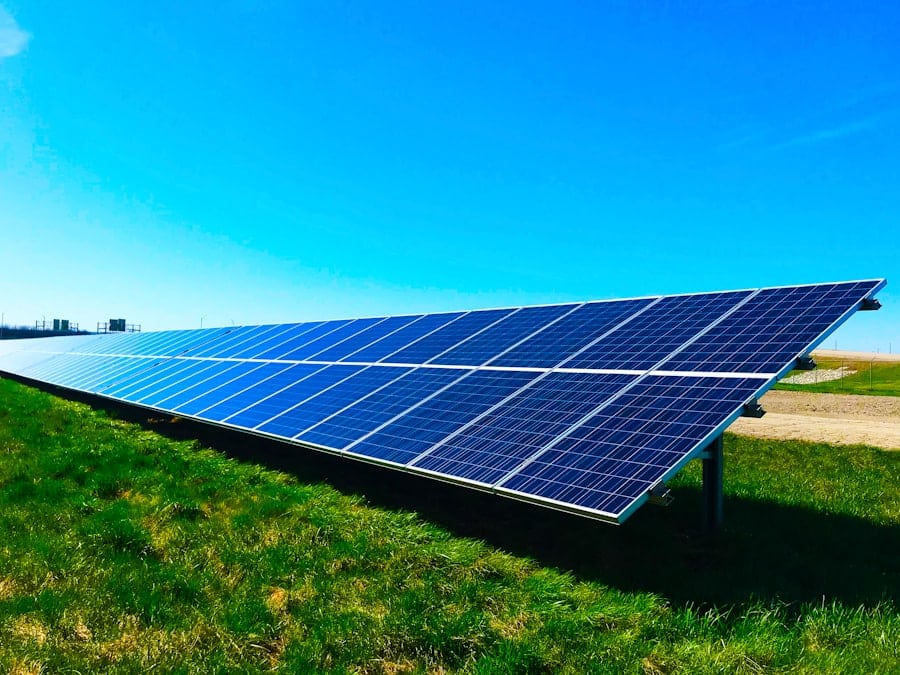
With a clear understanding of your energy needs, it’s time to explore the various types of solar panels available for RVs. The two most common types are monocrystalline and polycrystalline panels. Monocrystalline panels are known for their high efficiency and space-saving design, making them ideal for RVs with limited roof space.
They tend to perform better in low-light conditions, which can be beneficial during overcast days or when parked in shaded areas. On the other hand, polycrystalline panels are generally more affordable and can be a great option if you have ample roof space and are looking for a budget-friendly solution. While they may be slightly less efficient than their monocrystalline counterparts, they still provide reliable energy generation for most RV needs.
Additionally, consider factors such as weight, durability, and warranty when making your decision. Investing in high-quality panels will ensure that you have a reliable power source for years to come.
Integrating Solar Panels into Your Existing RV Electrical System
Once you’ve selected the right solar panels for your RV, the next step is integrating them into your existing electrical system. This process involves connecting the solar panels to a charge controller, which regulates the voltage and current coming from the panels to prevent overcharging your batteries. A good charge controller is essential for maintaining battery health and ensuring that your system operates efficiently.
After connecting the charge controller, you’ll need to link it to your battery bank. Depending on your setup, this could involve connecting multiple batteries in series or parallel configurations to achieve the desired voltage and capacity. It’s important to ensure that all components are compatible and that you follow safety guidelines during installation.
If you’re unsure about any part of this process, consulting with a professional or seeking guidance from experienced RVers can help you avoid costly mistakes.
Installing Solar Panels on Your RV
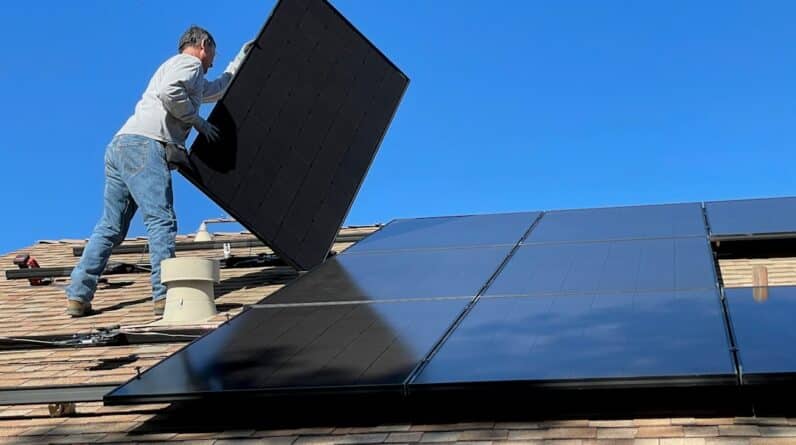
Installing solar panels on your RV can be a rewarding DIY project if you have some basic tools and skills. Start by selecting an appropriate location on your roof that receives maximum sunlight exposure throughout the day. Ensure that there are no obstructions like vents or air conditioning units that could cast shadows on the panels.
Once you’ve chosen a spot, clean the area thoroughly to ensure proper adhesion. Next, you’ll need to secure the solar panels using mounting brackets or adhesive pads designed for RV roofs. Follow the manufacturer’s instructions carefully to ensure a secure fit.
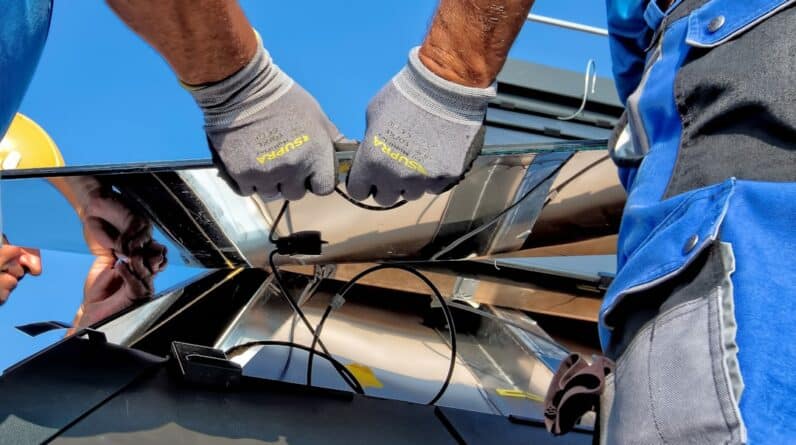
After mounting the panels, run the wiring down through a designated entry point into your RV, ensuring that all connections are weatherproofed and protected from potential damage. Take your time during this process; a well-installed system will provide reliable power for years to come.
Maintaining and Monitoring Your RV Solar Panels
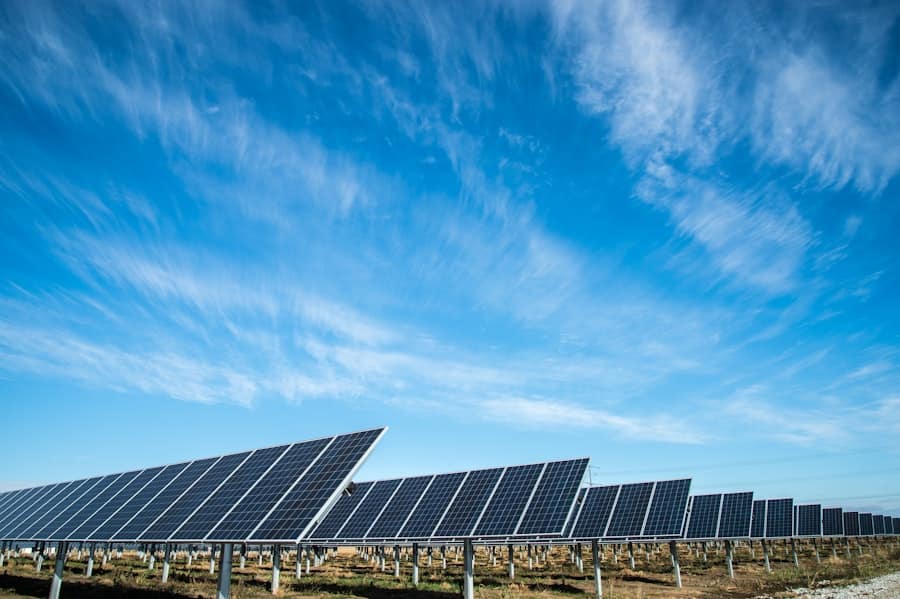
Once your solar panel system is up and running, regular maintenance is key to ensuring its longevity and efficiency. Start by periodically cleaning the panels to remove dirt, dust, and debris that can obstruct sunlight absorption. A simple rinse with water or a gentle soap solution can do wonders for maintaining optimal performance.
Be sure to check for any signs of wear or damage, such as cracks or loose connections, which could affect functionality. Monitoring your system is equally important. Many modern solar setups come with monitoring systems that allow you to track energy production and battery levels in real-time.
Keeping an eye on these metrics will help you understand how much power you’re generating and consuming, allowing you to make informed decisions about energy usage while on the road. Regularly checking these figures can also alert you to any potential issues before they become significant problems.
Maximizing the Efficiency of Your RV Solar Panels
To get the most out of your solar panel system, consider implementing strategies that maximize efficiency. One effective method is optimizing the angle of your panels based on your location and the time of year. If possible, adjust the tilt of your panels to capture more sunlight during peak hours.
Additionally, try to park in locations that offer unobstructed sunlight exposure throughout the day. Another way to enhance efficiency is by managing your energy consumption wisely. Be mindful of how and when you use electrical devices in your RV.
For instance, running high-wattage appliances during peak sunlight hours can help ensure that you’re drawing power directly from your solar panels rather than depleting your battery bank. By adopting these practices, you can extend the life of your system while enjoying all the comforts of home on the road.
Troubleshooting Common Issues with RV Solar Panels
Even with proper installation and maintenance, you may encounter some common issues with your RV solar panel system over time. One frequent problem is insufficient power generation due to shading or dirt accumulation on the panels. If you notice a drop in performance, check for any obstructions and clean the surface as needed.
Another issue could arise from battery problems, such as sulfation or improper charging cycles. If your batteries are not holding a charge or showing signs of wear, it may be time for replacement or maintenance checks. Regularly testing battery voltage and capacity can help identify these issues early on.
If you’re ever unsure about troubleshooting a problem, don’t hesitate to reach out to professionals or online communities dedicated to RV solar systems for advice and support. In conclusion, adding solar panels to your RV can significantly enhance your travel experience by providing independence from traditional power sources while also offering long-term cost savings. By understanding your energy needs, choosing the right equipment, integrating it properly into your existing system, and maintaining it diligently, you can enjoy all the benefits that solar energy has to offer on your adventures.
Whether you’re a seasoned RVer or just starting out, embracing solar technology can open up new possibilities for exploration and enjoyment on the road.
If you are looking to upgrade your RV with solar panels, you may also be interested in checking out the Squat Wedge Review article. This article discusses the benefits of using a squat wedge to improve your workout routine and overall fitness. Just like adding solar panels to your RV can enhance your travel experience, incorporating a squat wedge into your exercise regimen can help you achieve better results and prevent injury. Both upgrades can make a significant difference in your daily life and overall well-being.
FAQs
What are the benefits of adding RV solar panels to an existing system?
Adding RV solar panels to an existing system can provide a reliable source of power for off-grid camping, reduce reliance on generators or shore power, and lower overall energy costs.
How do RV solar panels integrate with an existing system?
RV solar panels can be integrated into an existing system by connecting them to the existing charge controller and battery bank. They can also be mounted on the roof of the RV or set up as portable panels.
What size of RV solar panels should be added to an existing system?
The size of RV solar panels to add to an existing system depends on the energy needs of the RV, the available roof space for mounting, and the capacity of the existing charge controller and battery bank.
What are the installation considerations for adding RV solar panels to an existing system?
When adding RV solar panels to an existing system, it’s important to consider the mounting location, wiring connections, and potential shading issues. It’s also important to ensure that the existing charge controller and battery bank can handle the additional solar capacity.
Are there any maintenance requirements for RV solar panels added to an existing system?
RV solar panels added to an existing system may require periodic cleaning to remove dirt and debris that can reduce their efficiency. It’s also important to regularly check the wiring connections and monitor the performance of the system.