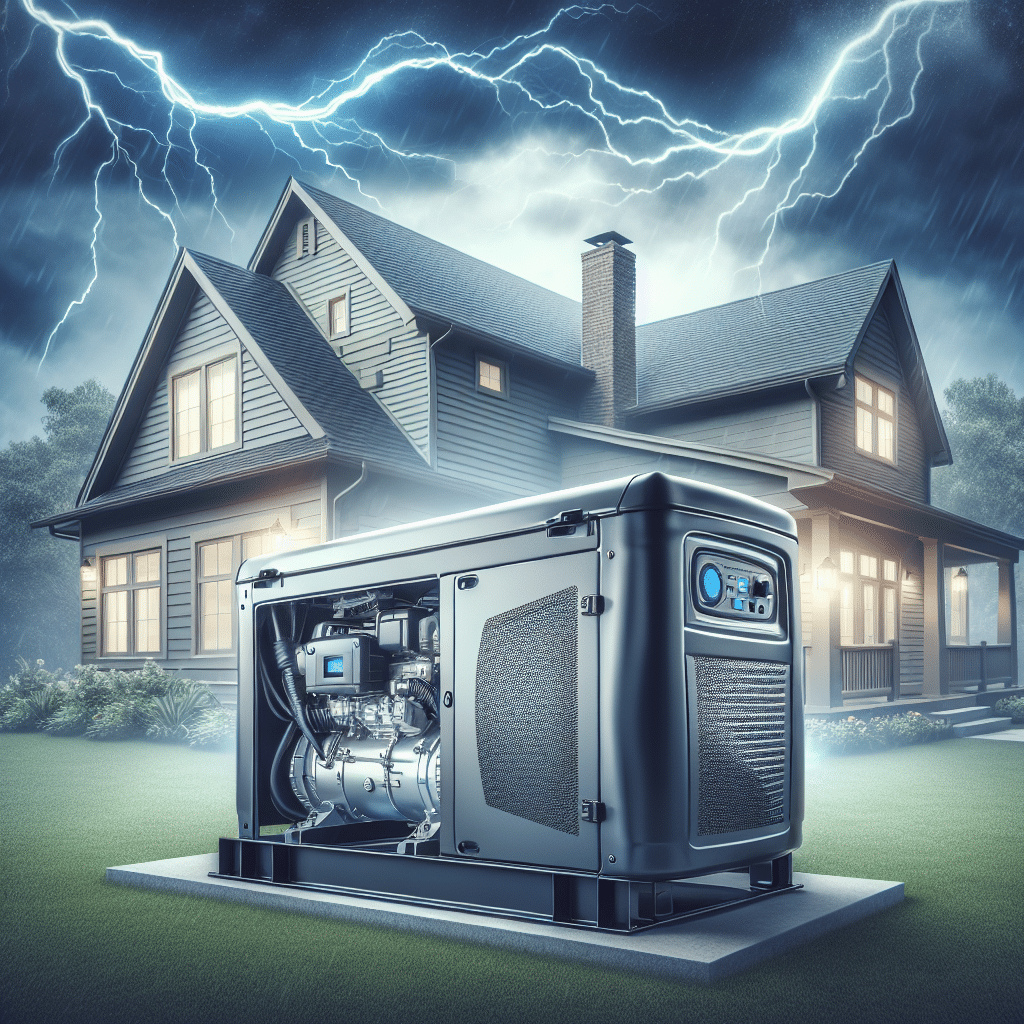
Imagine this scenario: a storm knocks out the power in your neighborhood, leaving you and your family in the dark. The perishable food in your refrigerator starts to spoil, and the sweltering heat inside your home becomes unbearable. As inconveniences pile up and frustration grows, you can’t help but wish you had a solution to this annoying problem. Luckily, there is one: backup generator solutions for your home. In this article, we will explore the importance of safeguarding your home with a backup generator, and discover the various options available to ensure the comfort and security of your household during unexpected power outages.
Choosing the Right Backup Generator
When it comes to selecting a backup generator for your home, there are several important factors to consider. Making the right choice will ensure that you have a reliable source of power during outages and emergencies. By assessing your power needs, determining your fuel preference, considering portable versus permanent generators, evaluating noise levels, and researching brand reliability, you can make an informed decision.
Assessing Your Power Needs
The first step in choosing the right backup generator is to assess your power needs. Consider the essential appliances and systems in your home that you would need to power during an outage. This may include lights, refrigeration, heating or cooling systems, and medical equipment. By determining the wattage requirements of these items, you can determine the size and capacity of the generator you will need.
Determining Your Fuel Preference
Backup generators can run on various types of fuel, including gasoline, propane, diesel, natural gas, and even solar power. Each fuel option has its own advantages and considerations. Gasoline and propane are commonly used fuels due to their availability and ease of use. Diesel and natural gas generators are often preferred for their durability and long-running capabilities. Solar-powered generators offer a clean and sustainable energy option. Consider your fuel preference and availability when choosing a generator.
Considering Portable vs. Permanent Generators
Another important factor to consider is whether you need a portable or a permanent generator. Portable generators offer flexibility and can be easily moved around, making them suitable for camping or temporary power needs. On the other hand, permanent standby generators are installed outside your home and can automatically provide power during an outage. They are more powerful and typically run on natural gas or propane. Consider your specific needs and preferences to determine which type of generator is the best fit for you.
Evaluating Noise Levels
Noise levels can be an important consideration, especially if you live in close proximity to neighbors or have noise restrictions in your area. Some generators produce more noise than others, so it’s important to evaluate the noise levels of different models. Look for generators with low noise ratings or additional noise-reducing features, such as insulated enclosures or quiet mufflers. Choosing a generator with low noise levels will help ensure a peaceful environment while the generator is running.
Researching Brand Reliability
One of the most crucial aspects of choosing a backup generator is researching brand reliability. Look for reputable brands that have been in the industry for a considerable amount of time. Read customer reviews and testimonials to get an idea of the experiences others have had with different generator brands. Additionally, check for warranty and service options provided by the manufacturer. A reliable brand with excellent customer support will give you peace of mind knowing that your generator is backed by a reputable company.
Sizing Your Backup Generator
Once you have assessed your power needs and decided on the fuel type, it’s time to determine the appropriate size and capacity of the generator. This involves understanding wattage requirements, calculating surge wattage, matching generator capacity to your home, and consulting with an electrician.
Understanding Wattage Requirements
To accurately size your backup generator, you must determine the wattage requirements of the appliances and systems you wish to power. The wattage rating can usually be found on the appliance or in the owner’s manual. Add up the wattage of all the devices you plan to power simultaneously to get an estimate of your total wattage requirement.
Calculating Surge Wattage
Certain appliances and devices require additional power upon startup, known as surge wattage. These surges can significantly increase the load on the generator. To ensure that your generator can handle these surges, factor in the surge wattage when sizing your generator. Appliances like refrigerators, air conditioners, and well pumps often have high surge wattage requirements.
Matching Generator Capacity to Your Home
Once you have determined your total wattage requirement, it’s important to choose a generator with sufficient capacity to meet your needs. Ideally, you want a generator that can handle your entire wattage requirement comfortably, with some room for future expansion. It’s recommended to choose a generator with a capacity of at least 20% more than your estimated wattage requirement to allow for unexpected increases in power demand.
Consulting with an Electrician
While you can make an initial estimate of your power needs and generator capacity, it’s always wise to consult with a qualified electrician to ensure accuracy. An electrician can perform a comprehensive assessment of your home’s electrical system and help you determine the ideal generator size and capacity. They will also ensure that the generator installation meets all safety and electrical code requirements.
Types of Backup Generators
Backup generators come in various types, each with its own advantages and limitations. Understanding the different types will help you choose the most suitable generator for your specific needs.
Standby Generators
Standby generators are permanently installed outside your home and are connected directly to your electrical system. They operate automatically when a power outage occurs, providing a seamless transition to backup power. Standby generators are powerful and can support all essential appliances and systems in your home.
Portable Generators
Portable generators are versatile and easy to transport. They can be used in various settings, such as camping trips or temporary power needs. Portable generators require manual setup and connection to appliances using extension cords. They typically run on gasoline or propane and offer a cost-effective solution for powering essential items during an outage.
Inverter Generators
Inverter generators are a compact and efficient option for backup power. They use advanced technology to produce high-quality and stable electricity suitable for sensitive electronics and devices. Inverter generators are typically fuel-efficient and offer variable speed operation, resulting in quieter operation and better fuel economy.
Solar-Powered Generators
Solar-powered generators harness the energy of the sun to generate electricity. They consist of solar panels that convert sunlight into usable energy, which is stored in batteries for use during an outage. Solar-powered generators provide a clean and sustainable backup power solution, reducing reliance on traditional fuel sources.
Dual Fuel Generators
Dual fuel generators offer the flexibility of running on multiple fuel types, usually gasoline or propane. They allow you to switch between fuels depending on availability or personal preference. Dual fuel generators are ideal if you want the convenience of fuel options without compromising on power capacity.
Installation Considerations
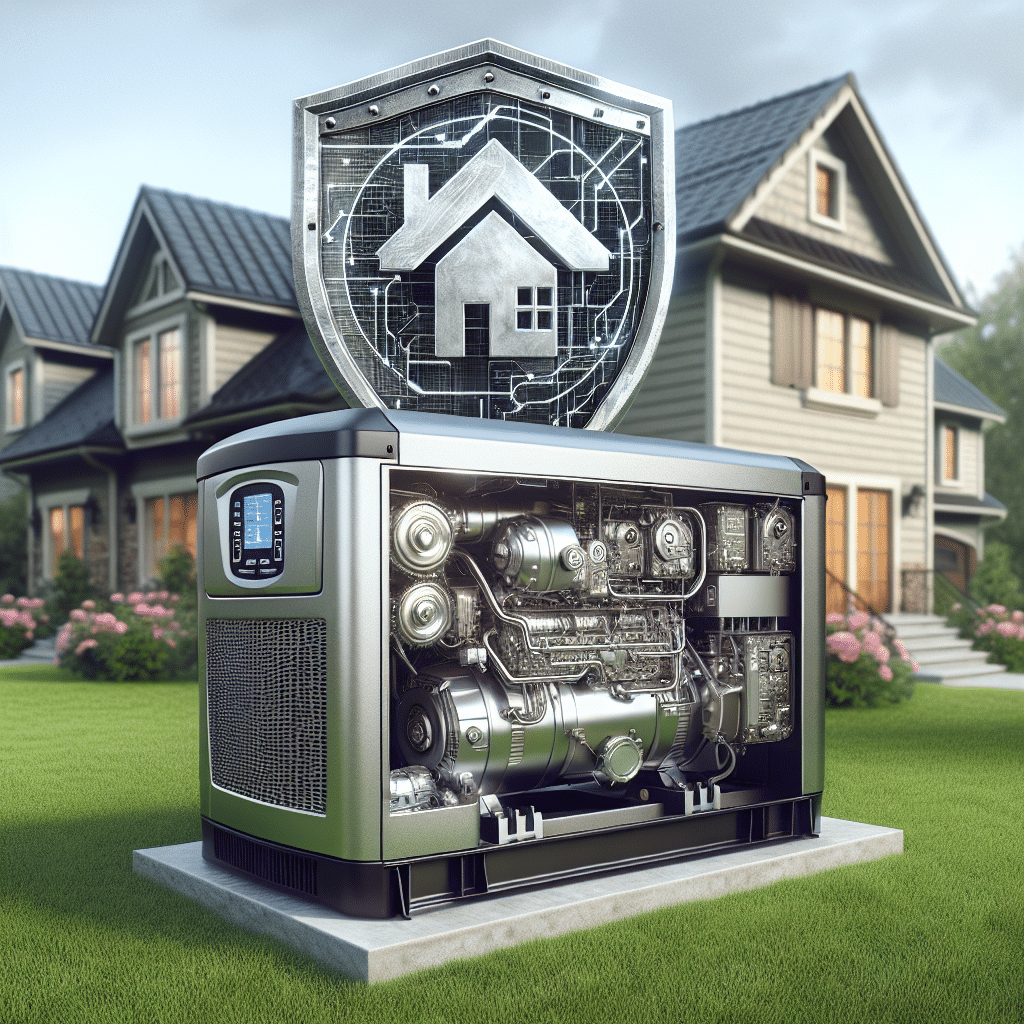
Once you have chosen the right type and size of the generator, it’s important to consider the installation process. Proper installation is crucial for ensuring the safe and efficient operation of your backup generator.
Determining the Ideal Location
Choosing the ideal location for your backup generator is important for several reasons. It should be located in an easily accessible area for maintenance and repairs. The location should also allow for proper ventilation to dissipate heat and exhaust fumes. Consider any local regulations or homeowner association requirements regarding the placement of generators.
Obtaining Permits and Meeting Regulations
Before installing a backup generator, it’s essential to check with local authorities or building departments for any necessary permits or regulations. Some areas have restrictions on the installation of generators or specific requirements for their setup. Complying with these regulations will ensure a smooth and problem-free installation process.
Choosing a Transfer Switch
A transfer switch is a crucial component of a backup generator system. It acts as a safety disconnect between the utility power and the generator power, preventing backfeed and protecting utility workers. When the generator is operational, the transfer switch safely transfers the electrical load from the utility power to the generator power. It’s important to choose a transfer switch that is compatible with your generator and meets all safety standards.
Hiring a Professional Installer
While some experienced individuals may choose to install a backup generator themselves, it’s recommended to hire a professional installer for optimal results. A professional installer will have the necessary expertise to handle all aspects of the installation process, including electrical connections, fuel line installations, and compliance with safety codes. Hiring a professional will ensure a safe and reliable backup power solution for your home.
Maintenance and Safety
To ensure that your backup generator remains in good working condition and provides reliable power when needed, regular maintenance and safety precautions are necessary.
Regular Generator Inspections
Performing regular inspections of your backup generator is crucial to identify any potential issues or wear and tear. Inspections should include checking for loose connections, worn-out parts, and signs of damage. It’s also important to inspect the fuel system, exhaust system, and cooling system for any leaks or blockages.
Checking Fuel Levels
Regularly monitoring the fuel levels of your generator is important to ensure that it is ready to provide backup power when needed. Keep track of the fuel consumption and refill the tank as necessary. Storing an adequate supply of fuel is also recommended if you anticipate extended power outages.
Testing and Maintaining Batteries
If your backup generator has a battery system, it’s crucial to regularly test and maintain the batteries. This includes checking the battery voltage, cleaning and tightening terminals, and replacing batteries when necessary. Proper battery maintenance will ensure a reliable start-up of the generator when it is needed.
Cleaning and Replacing Filters
Maintaining clean air and fuel filters is essential for the efficient operation of your backup generator. Regularly clean or replace filters as recommended by the manufacturer to prevent blockages and promote optimal performance. Clogged filters can decrease fuel efficiency and potentially damage the generator.
Ensuring Proper Ventilation
Proper ventilation is crucial to safely operate a backup generator. Generators produce exhaust fumes that contain carbon monoxide, a deadly gas. Ensure that the generator is placed in a well-ventilated area to prevent the buildup of carbon monoxide. It’s also important to regularly monitor the exhaust system for any leaks or damage.
Implementing Carbon Monoxide Safety Measures
Carbon monoxide safety measures are essential when operating a backup generator. Install carbon monoxide detectors in your home, especially near bedrooms and other living areas. Familiarize yourself and your household members with the signs and symptoms of carbon monoxide poisoning. Educate everyone on the proper actions to take if carbon monoxide is detected and establish a clear evacuation plan.
Fuel Options for Backup Generators
Backup generators can run on various types of fuel, each with its own advantages and considerations. Understanding the different fuel options will help you make an informed decision when choosing a generator.
Gasoline Fuel
Gasoline is a readily available fuel for backup generators. It is easy to obtain from gas stations and can be stored for extended periods if properly treated with a fuel stabilizer. Gasoline-fueled generators are typically more affordable and portable, making them suitable for temporary power needs. However, gasoline has a shorter shelf life compared to other fuel options and can be hazardous if not stored properly.
Propane Fuel
Propane is a popular choice for backup generators due to its clean-burning properties and long shelf life. Propane-fueled generators offer reliable and efficient operation and are often preferred in residential applications. Propane can be stored in tanks and is widely available. It is considered safer to handle and store compared to gasoline.
Diesel Fuel
Diesel fuel offers a reliable and efficient option for backup generators. Diesel-fueled generators are known for their durability and ability to provide extended runtime. Diesel fuel has a longer shelf life compared to gasoline and can be safely stored without the need for fuel stabilizers. However, diesel generators are typically more expensive upfront and require regular maintenance to ensure optimal performance.
Natural Gas Fuel
Natural gas is a convenient and reliable fuel option for backup generators. Natural gas-fueled generators are typically connected directly to the natural gas supply line, eliminating the need for onsite fuel storage. They offer a continuous fuel supply and can run for extended periods without the need for refueling. Natural gas is considered a clean-burning fuel and is often preferred for its convenience and low maintenance requirements.
Bi-Fuel Systems
Bi-fuel systems offer the convenience and flexibility of running on two different fuels simultaneously or separately. These systems typically combine natural gas and diesel fuel, offering enhanced autonomy and reliability. Bi-fuel systems automatically switch between the two fuel sources based on availability or programmed settings. They provide increased runtime and fuel options, making them suitable for extended power outages and critical applications.
Managing Fuel Storage
Proper fuel storage is crucial for ensuring that your backup generator remains ready to provide power when needed. By understanding fuel shelf life, storing fuel safely, rotating fuel stock, and considering fuel delivery services, you can effectively manage your fuel storage needs.
Understanding Fuel Shelf Life
Different types of fuel have varying shelf lives, which refers to the maximum amount of time the fuel can be stored while remaining usable. Gasoline, for example, has a shelf life of approximately six months to one year, while diesel and propane can be stored for more extended periods without significant degradation. It’s important to understand the shelf life of your chosen fuel and take appropriate measures to preserve its quality.
Storing Fuel Safely
Proper fuel storage is essential to prevent accidents, fuel degradation, and contamination. Fuel should be stored in approved containers or tanks that are specifically designed for the type of fuel being stored. The storage area should be well-ventilated, away from ignition sources, and protected from extreme temperatures. It’s also important to label containers properly and store them in a secure location.
Rotating Fuel Stock
To ensure the freshness and usability of your fuel supply, it’s essential to rotate the stock regularly. Use the oldest fuel first and replenish your supply with fresh fuel. This practice helps to prevent fuel degradation and ensures that you have a reliable fuel source in case of an emergency. Establish a regular schedule for rotating your fuel stock based on the specific requirements of the fuel type.
Considering Fuel Delivery Services
For added convenience and peace of mind, consider utilizing fuel delivery services. These services offer scheduled deliveries of fuel directly to your home, eliminating the need for you to transport and store fuel yourself. Fuel delivery services can ensure a constant and reliable supply of fuel, especially during extended power outages or emergencies.
Integrated Home Backup Systems
Integrated home backup systems combine backup generators with energy storage solutions and smart home technology to provide a comprehensive and resilient power solution for your home.
Combining Backup Generators and Energy Storage
Integrated home backup systems incorporate backup generators with energy storage systems, such as batteries. The backup generator provides primary power during outages, while excess power is stored in batteries for later use. This combination ensures continuous power supply even during extended outages and allows for greater control over the usage and distribution of stored energy.
Automating Backup Power with Smart Home Technology
Smart home technology can be integrated into backup power systems to automate and simplify the operation. By utilizing smart home controllers or apps, you can remotely monitor and control your backup generator, receive alerts for maintenance schedules or power outages, and even prioritize power allocation to specific appliances or areas within your home. Smart home technology adds convenience and flexibility to your backup power system.
Choosing Integrated Systems for Resilience
Integrated home backup systems offer increased resilience and reliability. By combining multiple power sources, energy storage, and smart home technology, these systems provide seamless and efficient backup power solutions. When evaluating integrated systems, consider the capacity of the backup generator, the energy storage capacity, and the compatibility with your electrical system and smart home devices. Choose a system that best meets your specific needs and provides the level of resilience you desire.
Budget Considerations
When considering a backup generator, it’s important to analyze the associated costs and budget accordingly. By factoring in initial costs, installation expenses, fuel costs, and the long-term value of the generator, you can make an informed decision and ensure that the generator is a worthwhile investment.
Analyzing Initial Costs
The initial cost of a backup generator includes the purchase price of the generator itself. Consider your budget and look for generators that offer a balance of price and features. Keep in mind that larger and more powerful generators tend to come with higher price tags. However, investing in a generator that meets your power needs and provides reliable performance is often worth the initial cost.
Factoring in Installation Expenses
The installation of a backup generator typically involves electrical work, fuel line installations, and potentially obtaining permits. These installation expenses can vary depending on the complexity of the installation and local regulations. It’s important to factor in these additional costs when budgeting for a backup generator. Consider obtaining quotes from professional installers to get a better idea of the installation expenses involved.
Including Fuel Costs in the Budget
Fuel costs are an ongoing expense when operating a backup generator. Consider the fuel type that your generator will run on and research the current prices and availability. Take into account your expected usage and calculate the approximate fuel consumption. This will give you an idea of the recurring fuel costs and help you budget accordingly.
Considering Long-Term Value
While the upfront costs and ongoing expenses are important considerations, it’s also crucial to consider the long-term value of the generator. A reliable backup generator can provide peace of mind and ensure uninterrupted power during outages. Consider the potential costs and inconveniences associated with extended power outages, such as spoiled food, water damage from frozen pipes, or medical equipment failure. Investing in a backup generator can help mitigate these risks and provide long-term value by protecting your home and its occupants.
Choosing a Reliable Generator Provider
When selecting a backup generator, it’s important to choose a reliable generator provider. By researching available brands and models, reading customer reviews and testimonials, checking warranty and service options, and seeking recommendations from professionals, you can ensure that you are purchasing a generator from a reputable provider.
Researching Available Brands and Models
Take the time to research and compare different generator brands and models. Look for brands that have a proven track record of reliability and longevity. Consider factors such as customer satisfaction, product features, and overall reputation. Reading online reviews and seeking recommendations from friends, family, or professionals in the industry can help you narrow down the options and make an informed decision.
Reading Customer Reviews and Testimonials
Customer reviews and testimonials provide valuable insights into the experiences of others who have purchased and used a specific generator brand or model. Reading these reviews can give you an idea of the performance, reliability, and customer satisfaction associated with a particular generator. Look for trends and common themes in the reviews to get a comprehensive understanding of the generator’s quality and performance.
Checking Warranty and Service Options
A reliable generator provider will offer a comprehensive warranty and reliable service options. Review the warranty terms and conditions to ensure that they align with your expectations and provide adequate coverage. Consider the availability of authorized service centers and the level of customer support provided by the manufacturer. A strong warranty and reliable service options will give you peace of mind knowing that you can rely on the provider for any maintenance or repairs that may be required.
Seeking Recommendations from Professionals
If you are unsure about which generator provider to choose, seek recommendations from professionals in the industry. Electricians, home improvement experts, or generator service technicians can provide valuable insights based on their experience and knowledge. They can recommend reliable brands and models that they have worked with and give you an unbiased opinion on which generator provider to choose.
By following these guidelines and taking into account the various factors involved in choosing a backup generator, you can make an informed decision that meets your power needs and provides reliable backup power during outages and emergencies. Remember to assess your power needs, determine your fuel preference, consider the type of generator, evaluate noise levels, research brand reliability, and consult with professionals along the way. With the right backup generator in place, you can safeguard your home and ensure the comfort and security of your loved ones even when the power goes out.