Imagine never having to worry about a power outage again. With the increasing frequency of extreme weather events and the strain on electrical grids, having a backup generator for your home is becoming more essential than ever. In this article, we will explore the various options available for uninterrupted power supply, from portable generators to whole-house solutions, so you can make an informed decision to keep your home powered up when it matters most.
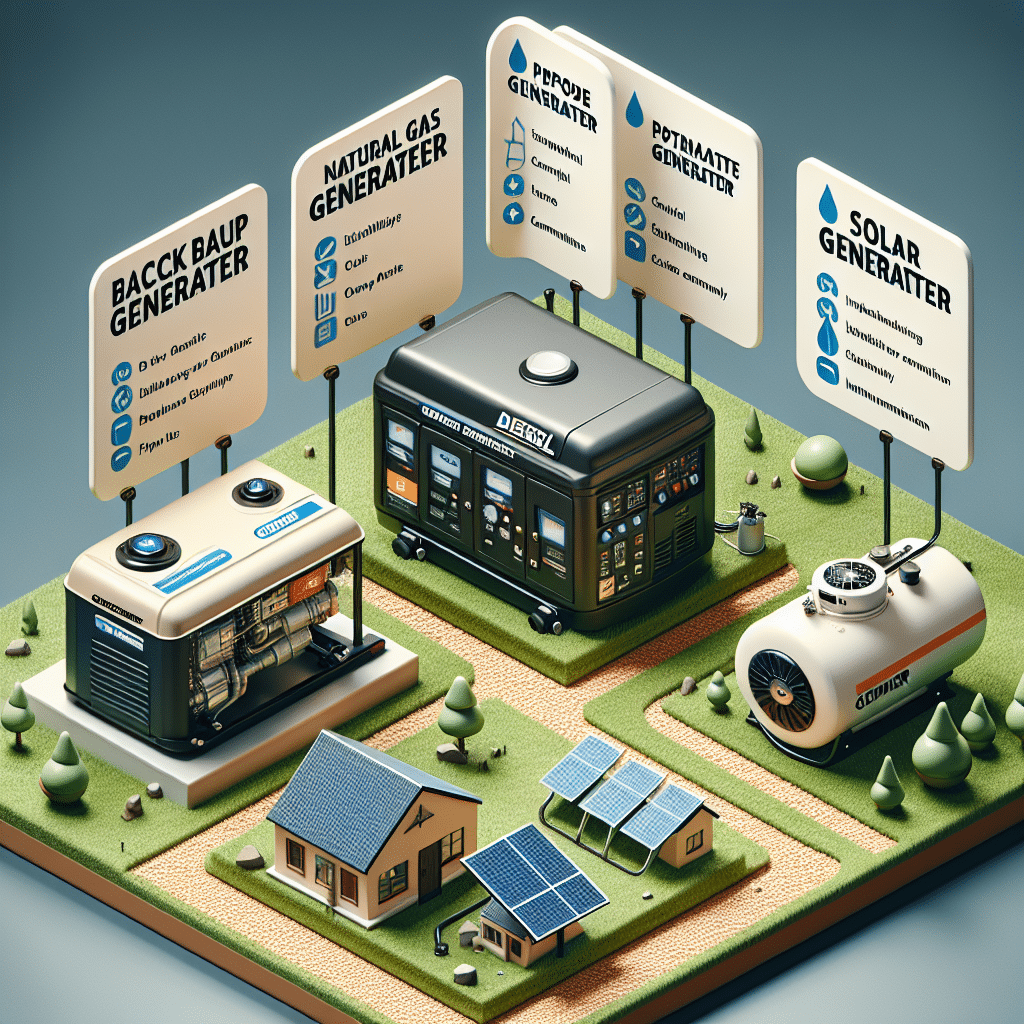
Fuel-based Generators
Diesel Generators
Diesel generators are a popular choice for backup power due to their reliability and fuel efficiency. These generators are powered by diesel fuel, which is easy to store and widely available. Diesel generators are known for their durability and ability to provide a constant power supply. They are often used in commercial settings, but they are also suitable for residential use. Diesel generators can handle heavy loads and can provide power for an extended period of time. They are a reliable option for homeowners who need a backup power source during outages.
Gasoline Generators
Gasoline generators are another common option for backup power. These generators are powered by gasoline, which is easily accessible in most areas. Gasoline generators are relatively inexpensive compared to other fuel-based options, making them a budget-friendly choice for homeowners. They are compact and portable, making them ideal for camping or other outdoor activities as well. However, gasoline generators tend to be louder and less fuel-efficient than other options.
Propane Generators
Propane generators are a clean and reliable option for backup power. Propane is a readily available fuel that is easy to store and has a long shelf life. Propane generators are quieter, produce fewer emissions, and require less maintenance compared to gasoline or diesel generators. They are also more fuel-efficient, making them a cost-effective choice for homeowners. Propane generators can provide a continuous power supply for an extended period, making them suitable for long power outages or for homeowners who rely on uninterrupted power.
Natural Gas Generators
Natural gas generators are a convenient and environmentally friendly option for backup power. These generators are connected directly to a natural gas line, eliminating the need to store fuel. Natural gas is a clean-burning and widely available fuel source. Natural gas generators are quieter, produce fewer emissions, and require less maintenance compared to other types of generators. They offer a continuous power supply and are capable of handling heavy loads. However, homeowners should ensure that their natural gas supply is reliable and unaffected by outages in their area.
Renewable Energy Options
Solar-powered Generators
Solar-powered generators harness energy from the sun to generate electricity. They consist of solar panels that convert sunlight into usable energy. Solar-powered generators are a sustainable and eco-friendly option for backup power. They can be integrated into existing solar energy systems or used as standalone units. Solar-powered generators are quiet, produce no emissions, and have low maintenance requirements. They are ideal for homeowners looking to reduce their carbon footprint and rely on renewable energy sources.
Wind-powered Generators
Wind-powered generators utilize wind to generate electricity. They consist of wind turbines that capture the energy from the wind and convert it into usable power. Wind-powered generators are another sustainable option for backup power. However, they are more suitable for homeowners in windy areas or with larger properties. Wind-powered generators require proper site selection to ensure optimal wind conditions. They are quiet, produce no emissions, and can operate for extended periods with minimal maintenance.
Hybrid Generators
Hybrid generators combine multiple renewable energy sources to provide backup power. They often utilize a combination of solar and wind power to ensure a continuous power supply. Hybrid generators offer the benefits of both solar and wind-powered generators, providing reliable and sustainable backup power. These generators are ideal for homeowners who want to maximize their renewable energy usage and reduce their reliance on conventional fuel sources.
Battery Backup Systems
Lead-Acid Batteries
Lead-acid batteries are a common type of battery used in backup power systems. They are cost-effective and can provide a reliable power source during outages. Lead-acid batteries are suitable for short-term power needs and are commonly used in portable generators. They have a high energy density, allowing them to store a significant amount of power. However, lead-acid batteries require regular maintenance and have a shorter lifespan compared to other battery types.
Lithium-ion Batteries
Lithium-ion batteries are becoming increasingly popular for backup power systems. They offer high energy density, longer lifespans, and lower maintenance requirements compared to lead-acid batteries. Lithium-ion batteries are lightweight and compact, making them ideal for portable generators. They can provide reliable power for an extended period and are capable of handling heavy loads. However, lithium-ion batteries tend to be more expensive than lead-acid batteries.
Flow Batteries
Flow batteries are a less common but highly efficient type of battery used in backup power systems. They store energy in liquid electrolytes and can provide power for a longer duration compared to other battery types. Flow batteries have a longer lifespan, can handle high power demands, and require minimal maintenance. They are suitable for both short-term and long-term power needs. However, flow batteries can be bulky and expensive, making them less practical for portable or small-scale applications.
Whole-House Generators
Automatic Transfer Switch (ATS)
An automatic transfer switch (ATS) is an essential component of a whole-house generator system. It monitors the utility power supply and automatically switches the electrical load to the generator when an outage occurs. ATS ensures a seamless transition to backup power, eliminating the need for manual intervention. It also prevents the risk of backfeeding, where the generator power could potentially flow back into the utility lines, causing a safety hazard. An ATS is an important safety feature that provides convenience and peace of mind during power outages.
Air-Cooled vs. Liquid-Cooled
Whole-house generators come in two main cooling options: air-cooled and liquid-cooled. Air-cooled generators rely on fans to dissipate heat and keep the engine temperature within a safe operating range. They are typically more affordable and suitable for smaller power loads. Liquid-cooled generators use a liquid coolant, such as coolant or oil, to maintain the engine temperature. They can handle larger power loads and are generally more efficient and quieter than air-cooled generators. The choice between air-cooled and liquid-cooled generators depends on the power requirements and budget of the homeowner.
Sizing and Load Demand
Sizing a whole-house generator correctly is crucial to ensure it can handle the power demands of the home. The size of the generator is determined by the expected load demand during an outage. It is essential to assess the power requirements of various appliances and systems in the home and calculate the total wattage needed. This includes considering the starting power requirements of devices such as air conditioners or refrigerators. Oversizing or undersizing a whole-house generator can lead to inefficiency or potential power disruptions. Consulting with a professional electrician or generator specialist can help determine the appropriate size for the specific needs of the home.
Installation and Maintenance
Installing a whole-house generator requires professional expertise to ensure a safe and efficient setup. It involves properly connecting the generator to the electrical system, installing the automatic transfer switch, and adhering to local building codes and regulations. Professional installation ensures that the generator operates correctly and minimizes the risk of electrical hazards. Regular maintenance is also essential to keep the generator in optimal condition. This includes routine inspections, fluid checks, and filter replacements. Following the manufacturer’s recommended maintenance schedule and guidelines will help extend the lifespan of the generator and ensure it operates reliably when needed.
Portable Generators
Features and Benefits
Portable generators offer flexibility and convenience for homeowners who need backup power on the go or in specific areas of their property. They are versatile and can be used for a variety of applications, including camping, outdoor events, or as a temporary power source during outages. Portable generators are compact, lightweight, and easy to transport, making them ideal for travel. They often come with features such as multiple outlets, circuit breaker protection, and fuel-level gauges for added convenience.
Wattage and Power Output
When choosing a portable generator, it is crucial to consider its wattage and power output capabilities. The wattage determines how many electrical devices and appliances the generator can power simultaneously. It is essential to calculate the total wattage needed based on the appliances that will be connected to the generator. While portable generators can vary in wattage, they generally range from 1,000 to 10,000 watts. Choosing a generator with sufficient power output ensures that all essential devices can be powered during an outage or outdoor activity.
Fuel Efficiency
Fuel efficiency is an important factor to consider when selecting a portable generator. Models with higher fuel efficiency can provide longer running times on a single tank of fuel, reducing the need for frequent refueling. Generators with features such as eco-mode or automatic idle control can adjust the engine speed based on the power demand, further optimizing fuel consumption. Fuel efficiency not only saves money on fuel costs but also ensures a continuous power supply without interruptions.
Portability and Ease of Use
Portability and ease of use are key considerations for homeowners looking for a portable generator. The weight, size, and design of the generator should be taken into account to ensure easy transportation and storage. Some generators come with built-in handles or wheels for enhanced mobility. Additionally, features such as electric start or remote start capabilities simplify the process of powering up the generator. Overall, choosing a portable generator that is lightweight, compact, and user-friendly will make it more convenient to use in various situations.
Inverter Generators
How They Work
Inverter generators produce high-quality AC power by converting it from DC power. They use advanced electronic circuitry to regulate the generator’s engine speed and adjust the power output based on the demand. This technology enables the generator to provide clean and stable power, similar to the electricity from the utility grid. Inverter generators rectify the AC power produced by the engine into DC power, and then invert it back to AC power with controlled voltage and frequency. This process ensures that sensitive devices, such as laptops or smartphones, can be safely powered without the risk of damage.
Clean and Stable Power
One of the main advantages of inverter generators is their ability to provide clean and stable power. Traditional generators produce electricity with fluctuations in voltage and frequency, which can be harmful to sensitive electronics. Inverter generators, on the other hand, generate power with minimal voltage and frequency variations, making them safe for devices that require stable power. This clean power output makes inverter generators suitable for powering electronics, appliances, and tools that are sensitive to power quality.
Quiet Operation
Inverter generators are known for their quiet operation compared to conventional generators. The advanced technology used in these generators results in reduced engine noise and vibration. They are designed with sound insulation materials and mufflers to minimize noise levels. The quieter operation makes inverter generators more suitable for camping, outdoor events, or any situation where noise can be a disturbance. Their low noise output also allows for better communication and conversation while the generator is running.
Parallel Capabilities
Parallel capabilities are a unique feature of inverter generators that allows two or more generators to be connected and work together to produce more power. By using a parallel kit or coupling cables, the generators can be synchronized to increase their combined power output. This feature is particularly beneficial when additional power is required or when powering larger appliances or equipment. Parallel capabilities offer versatility and convenience, providing homeowners with the flexibility to expand their power capacity as needed.
Standby Generators
Permanently Installed
Standby generators are permanently installed on the property and connected to the home’s electrical system. They are typically situated outdoors and require professional installation. Standby generators are directly connected to the home’s fuel source, such as natural gas or propane, ensuring a continuous power supply during outages. Their permanent installation eliminates the need to manually connect or disconnect the generator during power interruptions. Standby generators are designed to start automatically within seconds of detecting a power loss, providing a seamless transition to backup power.
Automatic Activation
Standby generators are equipped with an automatic activation system that enables them to start and provide power without any manual intervention. This system includes an automatic transfer switch (ATS) that monitors the utility power supply. When a power outage occurs, the ATS detects the interruption and signals the standby generator to start. Once the generator is up and running, the ATS transfers the electrical load from the utility power to the generator power. The automatic activation system ensures that backup power is available without delay, providing peace of mind to homeowners.
Reliable Power Source
Standby generators are a reliable source of backup power, capable of providing electricity for the entire home. They are designed to handle heavy loads and can power essential appliances, heating or cooling systems, and other electrical devices simultaneously. Standby generators are equipped with advanced control systems and safety features to ensure reliable and consistent power supply. With their automatic activation and seamless transition, homeowners can rely on standby generators to keep their home functioning during power outages or emergencies.
Fuel Types and Options
Standby generators can be powered by various fuel types, including natural gas, propane, or diesel. The choice of fuel depends on the availability, cost, and convenience for the homeowner. Natural gas generators are directly connected to the home’s natural gas supply, eliminating the need for fuel storage. Propane generators require an external propane tank and are suitable for homeowners without access to natural gas. Diesel generators are a robust and reliable option, but they may require more maintenance compared to other fuel types. The choice of fuel should be based on the homeowner’s specific needs and circumstances.
DIY Generator Solutions
Emergency Backup Power
DIY generator solutions provide homeowners with an alternative source of emergency backup power. These solutions can be assembled or modified by homeowners themselves, providing a cost-effective option for short-term power needs. DIY emergency backup power can be achieved by using portable generators, battery banks, or alternative energy sources such as solar panels or wind turbines. However, it is crucial to approach DIY projects with caution and ensure proper safety precautions are followed to prevent accidents or damage to electrical systems.
DIY Portable Generators
For homeowners who prefer a portable generator setup, DIY solutions are an option. DIY portable generators can be assembled or modified to meet specific power requirements and budget constraints. This may involve adding additional outlets, circuit breakers, or fuel storage options. It is essential to have a good understanding of electrical systems and safety guidelines when working on DIY generator projects. Homeowners should consult with professionals or seek guidance from reliable sources to ensure the generator setup is safe and efficient.
Safety Precautions
When considering DIY generator solutions, safety should always be a top priority. It is important to follow proper safety precautions to prevent accidents and ensure the protection of both the homeowner and their property. Some key safety guidelines to consider include:
- Read and understand the manufacturer’s instructions and guidelines before working on any DIY generator projects.
- Ensure that the generator is properly grounded and connected to a stable power source to avoid electrical hazards.
- Always operate generators outdoors in an open space to allow for proper ventilation and prevent the buildup of carbon monoxide.
- Use appropriate-sized extension cords and avoid overloading the generator or the electrical circuits.
- Regularly inspect and maintain the generator to ensure it operates safely and efficiently.
Seeking professional guidance or consulting with experts in DIY generator solutions can provide valuable advice and ensure that the project is completed safely and effectively.
Budget-friendly Options
Choosing Used Generators
Choosing a used generator can be a cost-effective option for homeowners on a budget. Many used generators are still in good condition and can provide reliable backup power. When considering a used generator, it is important to inspect its mechanical and electrical components, check its maintenance history, and ensure it meets the required power output. It is advisable to purchase a used generator from a reputable seller or have a professional inspect it before making a purchase. While used generators can offer significant cost savings, it is crucial to strike a balance between budget constraints and the reliability of the generator.
Renting Generators
Renting generators is a practical solution for homeowners who require backup power for a specific period or for occasional use. Renting allows homeowners to access the power they need without the upfront cost of purchasing a generator. Renting also eliminates the need for long-term maintenance and storage since the rental company takes care of these aspects. It is important to select the appropriate generator size and type based on the specific power requirements. Renting from a reputable company ensures high-quality equipment and reliable service.
Cost-saving Tips
Even when working with a limited budget, there are various cost-saving tips that homeowners can consider when choosing a backup generator:
- Evaluate the power needs and prioritize essential appliances and systems. Choosing a generator with the appropriate power output can help save on upfront costs.
- Compare prices from different suppliers or retailers to ensure you are getting the best value for your money.
- Consider the long-term operating costs of different generator options, including maintenance, fuel consumption, and ongoing expenses.
- Explore government incentives or rebates for installing energy-efficient or environmentally friendly generators.
- Optimize fuel efficiency by choosing generators with features such as eco-mode or automatic idle control.
- Regularly maintain and service the generator to prolong its lifespan and avoid costly repairs or replacements.
By being mindful of these cost-saving tips, homeowners can find a budget-friendly backup generator solution without compromising reliability or performance.
Factors to Consider
Power Requirements
Understanding the power requirements of the home is crucial when selecting a backup generator. Consider the wattage needed to power essential appliances, heating or cooling systems, and other devices simultaneously. It is important to factor in the starting power requirements of certain devices, as they may require additional power during startup. Calculating the total wattage requirements will help determine the appropriate generator size and ensure a continuous power supply during outages.
Noise Level
The noise level of a generator can be an important consideration, especially for homeowners in residential areas or those who prioritize quiet operation. Traditional generators tend to be louder, while inverter generators and some fuel-based generators offer quieter operation. Checking the noise level specifications and comparing decibel ratings can help determine the most suitable generator for the specific needs and environmental considerations.
Fuel Availability
The availability of fuel is an essential factor to consider when choosing a generator. Fuel-based generators require a reliable source of fuel to operate effectively. Assess the availability and accessibility of fuel options such as gasoline, diesel, propane, or natural gas in your area. Consider factors such as fuel storage requirements and costs when selecting the most convenient and readily available fuel option for your needs.
Emissions and Environmental Impact
The environmental impact of a generator is an increasingly important consideration for many homeowners. Traditional fuel-based generators, such as gasoline or diesel generators, produce emissions that contribute to air pollution. Inverter generators, propane generators, or natural gas generators emit fewer pollutants and are more environmentally friendly options. Additionally, renewable energy options, such as solar-powered or wind-powered generators, offer a clean and sustainable solution. Understanding the emissions and environmental impact of different generators can help homeowners make an informed decision that aligns with their environmental priorities.
Taking these factors into account will help homeowners choose the most suitable backup generator for their specific needs, ensuring reliable power supply, and peace of mind during outages or emergencies.