
You have invested time, energy, and resources into building a successful business, and ensuring its smooth operation is of utmost importance. However, power outages can happen unexpectedly and disrupt your operations, leading to invaluable losses. To safeguard your business from such disruptions and ensure continuity, a reliable back-up generator is the key. It acts as a reliable power source, kicking into gear the moment an outage occurs, and providing uninterrupted power until the main source is restored. With a back-up generator in place, you can rest easy knowing that your business will continue to operate seamlessly, regardless of any unforeseen power interruptions.
Choosing a Reliable Back-Up Generator
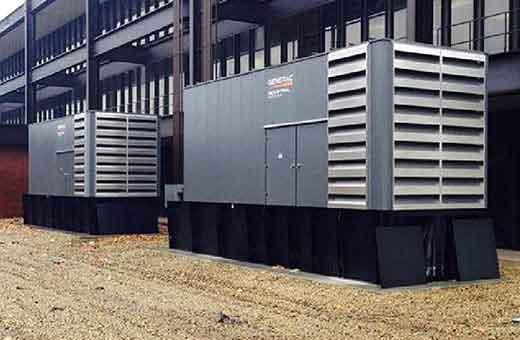
When it comes to choosing a reliable back-up generator, there are several important factors to consider. The first step is determining your power requirements. Evaluate the essential electrical loads that you would need to power during an outage, such as lights, appliances, and critical systems. This will help you determine the size and capacity of the generator you need to meet your power needs.
Next, you should evaluate the fuel options available for your generator. Common fuel options include gasoline, diesel, natural gas, and propane. Consider factors such as fuel availability, cost, and environmental impact when making your decision. It’s important to choose a fuel option that suits your needs and preferences.
Another aspect to consider is the portability and installation of the generator. Determine if you need a portable generator that can be easily moved and stored, or if a permanently installed generator would better suit your needs. Consider factors such as available space, accessibility, and any local regulations or codes that may apply.
Lastly, it’s important to assess the noise levels of the generator. Generators can be noisy, which can be disruptive and bothersome, especially in residential areas. Look for generators that are specifically designed to be quiet or consider installing noise reduction measures such as soundproof enclosures or acoustic barriers.
Proper Generator Placement
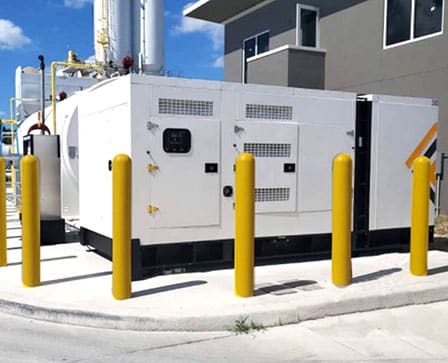
Once you have chosen a generator, placing it in the right location is crucial for its safe and efficient operation. Firstly, find a suitable location for your generator. It should be placed on a stable and level surface, away from flammable materials and any potential hazards. Choose a location that allows for easy access for maintenance and fueling.
Proper ventilation is essential for generator placement. Generators produce carbon monoxide, which is a deadly gas. Ensure that the generator is placed in a well-ventilated area to allow for the safe dispersal of exhaust fumes. Avoid placing it in enclosed spaces or near air intakes or windows that could allow fumes to enter the building.
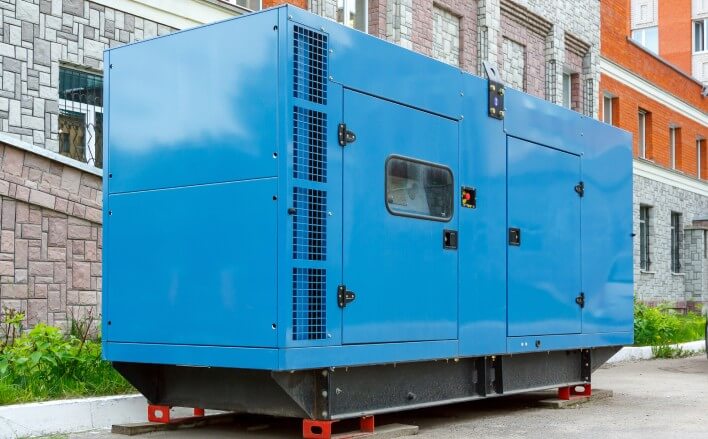
Protecting the generator from weather conditions is also important. Consider installing a weatherproof enclosure or a dedicated generator shed to shield it from rain, snow, and other elements. This will help prevent damage and ensure the generator remains operational during inclement weather.
Lastly, it’s crucial to secure the generator to prevent theft or unauthorized access. Use heavy-duty chains or locks to secure the generator to a fixed structure, such as a concrete pad or a sturdy post. This will deter thieves and provide peace of mind knowing that your generator is protected.
Regular Maintenance and Testing
To ensure the reliable and efficient operation of your back-up generator, regular maintenance and testing are essential. Creating a maintenance schedule will help you keep track of maintenance tasks and ensure they are performed consistently. Consult the generator’s user manual for specific maintenance requirements and intervals.
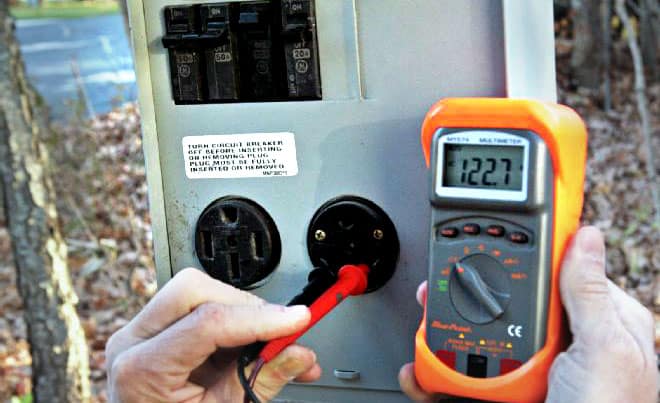
Regularly checking fuel levels and quality is crucial for optimal performance. Keep track of fuel levels and replenish as necessary to ensure a continuous power supply. Additionally, inspecting electrical connections is important to identify any loose or damaged wires that could affect the generator’s functionality.
Performing load testing periodically is vital to ensure that the generator can handle the intended electrical load. Load testing involves temporarily connecting a load to the generator and observing its performance. This will help identify any issues or weaknesses and allow for necessary adjustments or repairs.
Fuel Storage and Management
Proper fuel storage and management are essential for the reliable operation of your generator. Storing fuel safely is crucial to prevent accidents and ensure fuel quality. Follow local regulations and guidelines for storing fuel and use approved containers that are specifically designed for fuel storage. Store fuel in a well-ventilated area away from ignition sources.
Rotating fuel supply is important to prevent stagnant fuel and ensure its freshness. Use the “first in, first out” principle and label the fuel containers with the date of purchase to keep track of fuel age. Regularly use and replace stored fuel to maintain its quality and prevent any degradation.
Using fuel stabilizers can help prolong the shelf life of stored fuel. Fuel stabilizers are additives that prevent fuel degradation and inhibit the formation of deposits and varnish. Add fuel stabilizer to stored fuel according to the manufacturer’s instructions to ensure its stability and usability.
Monitoring fuel consumption is crucial to stay aware of fuel usage patterns and estimate future needs. Keep records of fuel consumed during power outages and regular operation to project fuel requirements accurately. This will help you plan fuel purchases and ensure a continuous fuel supply for your generator.
Automatic Transfer Switch (ATS)
An automatic transfer switch (ATS) is a critical component of a back-up generator system. It automatically detects a power outage and switches the electrical load from the utility power supply to the generator power. Understanding the purpose of an ATS is crucial to ensure seamless and reliable power transfer.
Choosing the right ATS is important to match the capacity and functionality of your generator. Consider factors such as voltage requirements, load capacity, and any additional features you may require. Consult with a professional electrician or generator specialist to select an ATS that is compatible with your generator and meets your specific needs.
Proper installation of the ATS is essential for its reliable operation. It should be installed by a qualified electrician according to local codes and regulations. Ensure that all electrical connections are properly made and that the ATS is securely mounted. Regularly inspect and maintain the ATS to ensure its continued functionality.
Testing the ATS functionality is crucial to verify its proper operation during a power outage. Regularly conduct tests to simulate power outages and ensure that the ATS transfers the electrical load seamlessly from the utility power to the generator power. Consult the manufacturer’s guidelines for recommended testing intervals and procedures.
Remote Monitoring and Control
Remote monitoring and control options provide added convenience and peace of mind when it comes to managing your back-up generator. Exploring remote monitoring options can allow you to access real-time information about your generator’s status, fuel levels, and performance from anywhere using a computer or a mobile device.
Installing monitoring devices, such as online monitoring systems or wireless sensors, can enable remote monitoring capabilities. These devices provide data on generator operations, fuel consumption, and other parameters, allowing you to track the performance and health of your generator remotely.
Implementing control strategies through remote monitoring and control options allows you to remotely start, stop, or adjust the generator as needed. This can be especially useful during unexpected power outages or to manage the generator’s operation when you are away from the premises.
Setting up alerts and notifications can help you stay informed about any issues or abnormalities with your generator. Configure notifications to receive alerts via email, text messages, or mobile app notifications when the generator requires attention or when specified conditions are met. This ensures proactive maintenance and early detection of potential problems.
Emergency Preparedness Plan
Developing an emergency preparedness plan is crucial to ensure the smooth operation of your back-up generator during a power outage or emergency situation. Start by developing an emergency response plan that outlines the steps to be taken in case of a power outage, including the activation of the generator and the necessary actions to restore power.
Identify critical systems that require priority power supply during an outage. These systems may include medical equipment, communication systems, or security systems. Prioritize these systems to ensure that they receive power immediately when an outage occurs.
Training staff for generator operation is important to ensure that they are familiar with the generator’s functionality and know how to operate it safely. Conduct regular training sessions to educate staff on generator operation, maintenance procedures, and safety precautions. This will help prevent accidents and ensure efficient management of the generator.
Coordinating with emergency services is important to ensure a swift response during an emergency. Provide emergency service providers with the necessary information about your generator, including its location, fuel supply, and contact details. Establish communication channels and protocols to ensure effective coordination between your organization and emergency services.
Sizing of Cables and Circuit Breakers
Proper sizing of cables and circuit breakers is crucial to ensure the safe and efficient operation of your back-up generator. Understanding cable and breaker requirements is important to comply with electrical codes and prevent overloading or damage to the generator.
Calculating voltage drop is essential to determine the appropriate cable size. Voltage drop refers to the reduction in voltage that can occur when electrical current flows through cables over a certain distance. Use voltage drop calculators or consult with an electrician to calculate the correct cable size for your generator.
Selecting appropriate cable sizes is important to ensure that they can carry the required electrical load without overheating or causing voltage drop. Refer to electrical codes and guidelines provided by cable manufacturers to determine the appropriate cable size based on the generator’s capacity and the electrical load it will supply.
Installing proper circuit breakers is crucial to protect the generator and electrical circuits from overload or short circuits. Select circuit breakers that are rated for the generator’s capacity and the electrical load they will protect. Consult with a qualified electrician to ensure that the circuit breakers are installed correctly and comply with electrical codes.
Generator Load Management
Monitoring the load capacity of your generator is crucial to prevent overload and ensure its efficient operation. Implementing load shedding strategies can help manage the electrical load and prioritize essential loads during power outages.
Monitor the electrical load being supplied by the generator and compare it to the generator’s capacity. Ensure that the load does not exceed the generator’s maximum capacity to prevent damage and overheating. Use load monitoring devices or consult with a qualified electrician to accurately measure the electrical load.
Implement load shedding strategies to manage the electrical load during a power outage. Load shedding involves temporarily reducing or eliminating non-essential electrical loads to prioritize the supply of power to critical systems. Identify non-essential loads and develop a load shedding plan to ensure that essential loads receive power without overloading the generator.
Prioritize essential electrical loads to ensure that critical systems continue to operate during a power outage. Identify the loads that are essential for the functioning of your organization, such as medical equipment, security systems, or communication systems. By prioritizing these loads, you can ensure that they receive power even if the generator capacity is limited.
Considering future expansion is important when managing the load of your generator. If you anticipate future growth or additional electrical loads, ensure that your generator has the capacity to accommodate them. Consult with a generator specialist to determine if your generator can handle future expansion or if it needs to be upgraded.
Documentation and Record Keeping
Maintaining proper documentation and records is essential for the effective management and maintenance of your back-up generator. Keeping accurate records will help you track maintenance activities, equipment specifications, and warranty information.
Maintain detailed records of maintenance activities performed on your generator. Record the dates of maintenance tasks, the specific procedures performed, and any findings or recommendations. This will help you track the maintenance history of your generator and identify any recurring issues or patterns.
Documenting equipment specifications is crucial for understanding the technical details of your generator. Keep a record of the generator’s model number, capacity, fuel requirements, and other relevant specifications. This information will be valuable for future maintenance, repairs, or upgrades.
Keep track of warranty information for your generator and any associated equipment or components. This includes the warranty periods, terms, and contact information for warranty claims. Having this information readily available will facilitate the process of resolving any warranty-related issues that may arise.
By following these guidelines and considering the various aspects of choosing, installing, maintaining, and managing a back-up generator, you can ensure continuity and peace of mind during power outages. A reliable back-up generator will provide you with the necessary power supply to keep your essential systems running smoothly, regardless of external circumstances.


