
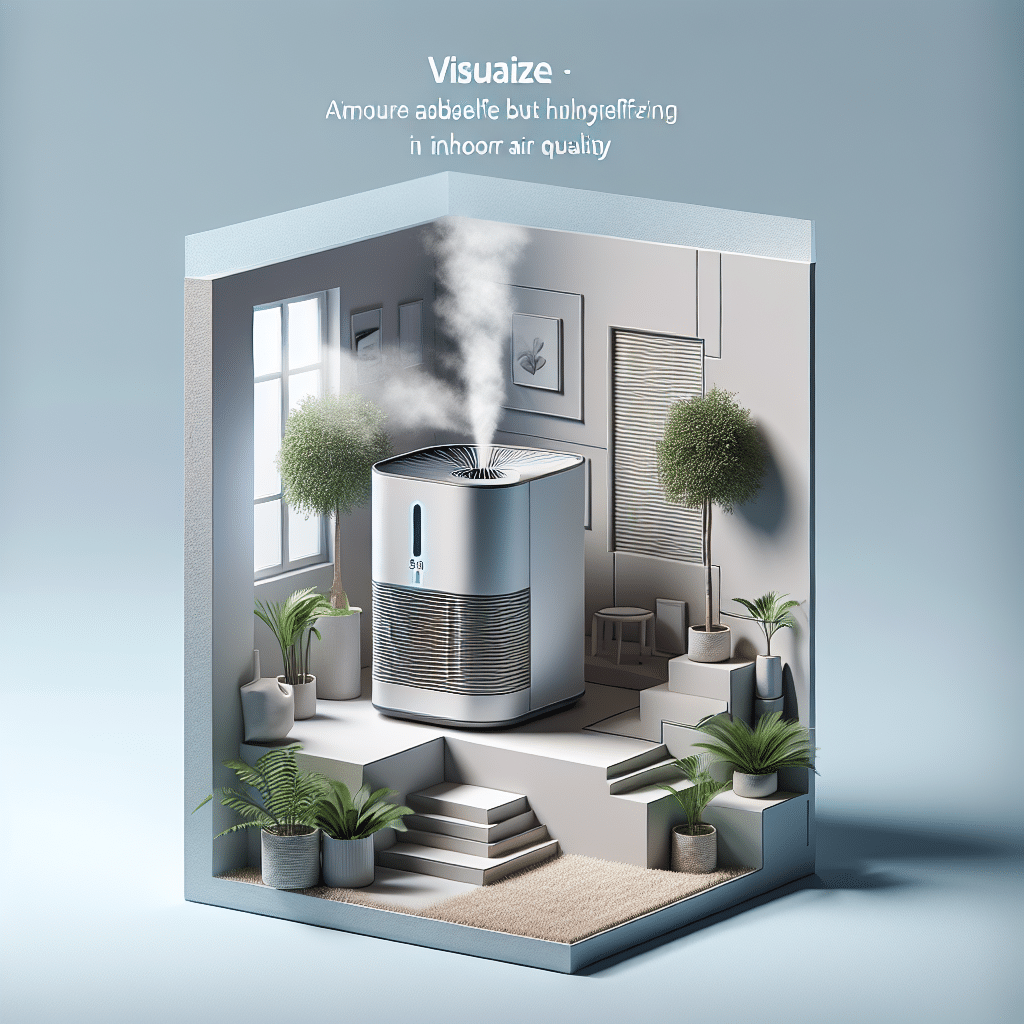
Imagine a world where the air you breathe is not only clean but also properly humidified, ensuring optimal comfort and health. In this article, we will explore the incredible benefits of using a small commercial air humidifier to enhance indoor air quality. From preventing dryness and irritation to reducing the spread of airborne viruses, this compact device is a game-changer for offices, clinics, and other small commercial spaces. Say goodbye to the discomfort of dry air and step into a realm of improved well-being with the help of a simple yet powerful air humidifier.
Benefits of Using a Small Commercial Air Humidifier
Improves respiratory health
Using a small commercial air humidifier can significantly improve your respiratory health. Dry air can cause discomfort and irritation in the nasal passages and throat, leading to conditions like dry coughs, sinus congestion, and sore throats. By adding moisture to the air, a humidifier helps to alleviate these symptoms and promote overall respiratory well-being. Breathing in properly humidified air can also help to loosen mucus in the airways, reducing the risk of respiratory infections.
Reduces the spread of airborne viruses
Airborne viruses thrive in dry environments, making it easier for them to spread from person to person. By maintaining an optimal humidity level in your indoor space with a small commercial air humidifier, you can reduce the survival rate of these viruses, thus decreasing the risk of transmission. Higher humidity levels have been shown to hinder the infectivity of viruses, including those that cause common colds, influenza, and respiratory syncytial virus (RSV).
Prevents dry skin and allergies
Dry air can wreak havoc on your skin, causing it to become dry, itchy, and irritated. A small commercial air humidifier can help to combat these issues by replenishing moisture in the air, thereby increasing the humidity levels in your surroundings. This added moisture helps to prevent dryness and maintain the natural moisture barrier of your skin, keeping it hydrated and supple. Additionally, a humidifier can alleviate symptoms of allergies by reducing the presence of airborne allergens such as dust mites and pollen.
Creates a more comfortable indoor environment
Dry air can make your indoor environment feel uncomfortable, particularly during the colder months when heating systems tend to dry out the air even further. Using a small commercial air humidifier helps to restore humidity to a more comfortable level, making your surroundings feel cozy and pleasant. The added moisture can also help to prevent static electricity, reducing the likelihood of static shocks. Moreover, properly humidified air can make the room feel warmer, allowing you to lower the thermostat and potentially save on heating costs.
Promotes better sleep quality
Dry air can negatively impact your sleep quality, leading to symptoms such as snoring, dry throat, and congestion. With a small commercial air humidifier in your bedroom, you can create a sleep-friendly environment by maintaining the optimal humidity level. Properly humidified air helps to keep your respiratory passages moist and open, reducing the likelihood of snoring and facilitating easier breathing throughout the night. This, in turn, promotes a more restful and rejuvenating sleep experience.
Factors to Consider when Choosing a Small Commercial Air Humidifier
Humidifier type
When choosing a small commercial air humidifier, it’s essential to consider the different types available. The most common types include ultrasonic humidifiers, evaporative humidifiers, and steam humidifiers. Each type has its own advantages and considerations. Ultrasonic humidifiers are known for their near-silent operation and energy efficiency. Evaporative humidifiers use a wick or filter to absorb water and expel moisture into the air. Steam humidifiers, on the other hand, produce steam to add moisture to the environment. Consider your specific needs, space requirements, and the features of each type before making a decision.
Coverage area
The coverage area of a humidifier refers to the space it can effectively humidify. It’s crucial to choose a small commercial air humidifier that can adequately cover the size of your indoor area. Consider the square footage of the space you intend to humidify, and check the manufacturer’s specifications to ensure the humidifier is suitable for that area. Using a humidifier with insufficient coverage may result in ineffective humidification, while using one with excessive coverage may lead to excessive moisture accumulation and potential damage to furnishings.
Humidification capacity
The humidification capacity of a small commercial air humidifier indicates the amount of moisture it can release into the air within a given time frame. This capacity is typically measured in gallons per day or liters per hour. Consider the desired humidity level and the size of the space you want to humidify when selecting a humidifier with the appropriate capacity. A larger space or a higher desired humidity level may require a humidifier with a higher capacity to achieve the desired results.
Noise level
Noise level is an important consideration, especially if you plan to use the humidifier in a quiet environment such as a bedroom or an office. Some humidifiers can produce a noticeable amount of noise, which can be disruptive to sleep or concentration. Look for a small commercial air humidifier that specifically advertises a quiet operation. Ultrasonic humidifiers are generally known for their low noise level, making them a popular choice for bedrooms and other noise-sensitive areas.
Maintenance requirements
Proper maintenance of a small commercial air humidifier is crucial for optimal performance and longevity. Consider the maintenance requirements of the humidifier before making a purchase. Some humidifiers may require regular cleaning, filter replacement, or other specific maintenance tasks. Be sure to factor in the time and effort required to properly maintain the humidifier. Choosing a humidifier with easy-to-follow maintenance instructions and accessible replacement parts can make upkeep more convenient and manageable in the long run.
Proper Placement and Installation of a Small Commercial Air Humidifier
Identifying suitable locations
Proper placement of a small commercial air humidifier is essential to ensure effective and balanced humidification throughout your space. Identify suitable locations based on the layout and size of the room, as well as the specific needs of the occupants. Placing the humidifier in a central location can help distribute moisture more evenly. Avoid placing the humidifier near windows or doors where drafts may disperse the moisture too quickly. Additionally, ensure that the humidifier is placed on a flat and stable surface to prevent any tipping or water spillage.
Avoiding direct humidification of sensitive equipment
When placing a small commercial air humidifier in areas that contain sensitive equipment or electronics, it’s crucial to avoid direct humidification. Excessive moisture in proximity to sensitive equipment can lead to damage or malfunction. Ensure that the humidifier is placed at a reasonable distance from such equipment, taking into consideration the manufacturer’s recommendations for humidity levels in those spaces. This will help prevent any potential issues and ensure the longevity of your equipment.
Ensuring proper water supply and drainage
A small commercial air humidifier requires a proper water supply and drainage system to function effectively. Ensure that you have access to a water source nearby, such as a sink or a water line, to easily fill the humidifier’s water tank. Similarly, consider the availability of a suitable drainage outlet to ensure proper disposal of excess water or condensation. Before installing the humidifier, review the manufacturer’s instructions to understand the specific requirements for water supply and drainage.
Following manufacturer’s instructions
Each small commercial air humidifier may have specific installation instructions provided by the manufacturer. It is important to read and follow these instructions carefully to ensure proper installation and operation. The manufacturer’s instructions will include guidance on assembling the humidifier, connecting the required components, and understanding any additional features or settings. Following these instructions will not only help you install the humidifier correctly but also maintain its warranty and avoid potential issues that may arise from improper installation.
Regularly cleaning and disinfecting the humidifier
To maintain optimal performance and ensure the longevity of a small commercial air humidifier, regular cleaning and disinfection are necessary. The presence of water and moisture can create a breeding ground for mold, bacteria, and other microorganisms if not properly addressed. Follow the manufacturer’s instructions for cleaning the water tank, filter, and other components of the humidifier. It is important to regularly remove any mineral deposits, scale, or residue that may accumulate over time. Regular cleaning and disinfection will help prevent the growth of harmful substances and maintain healthy indoor air quality.
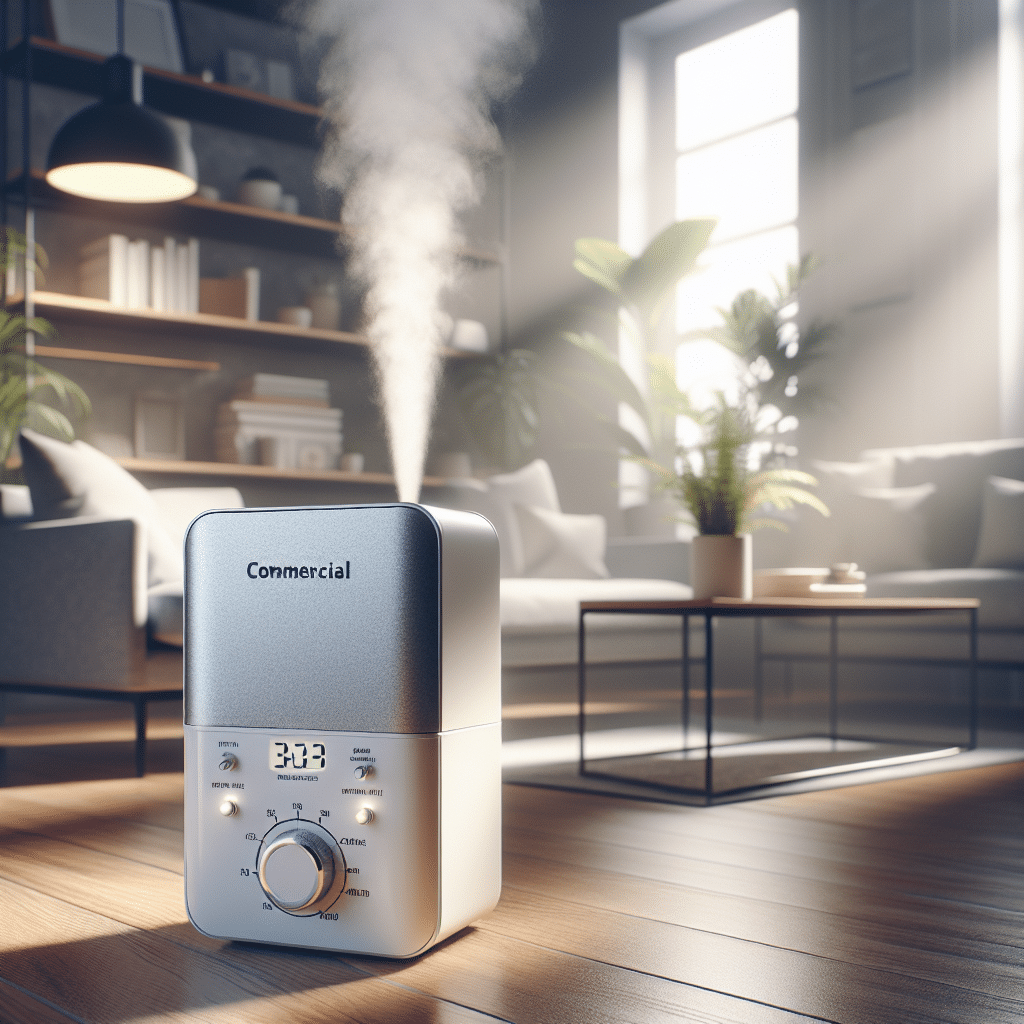
Maintenance and Care for a Small Commercial Air Humidifier
Regularly cleaning the water tank and filter
Regular cleaning of the water tank and filter is essential for maintaining the effectiveness and cleanliness of your small commercial air humidifier. Over time, mineral deposits and microbial growth can accumulate in the water tank and on the filter, potentially compromising the quality of the air emitted by the humidifier. Follow the manufacturer’s instructions for cleaning these components, using mild soap and water or a vinegar solution to remove any buildup. Regular cleaning will prevent any blockages or contamination and ensure optimal performance.
Replacing the filter as recommended
The filter in a small commercial air humidifier plays a crucial role in trapping impurities and maintaining the air quality. However, over time, the filter can become clogged or discolored, diminishing its effectiveness. Refer to the manufacturer’s recommendations for replacing the filter. It is generally advisable to replace the filter regularly, as specified by the manufacturer, to ensure optimal performance and prevent any potential air quality issues. Regular filter replacement will help maintain a clean and healthy indoor environment.
Checking and adjusting humidity levels
Monitoring and adjusting humidity levels is an important aspect of maintaining a small commercial air humidifier. Many humidifiers come with built-in hygrometers or humidity sensors that display the current humidity level. Regularly check the humidity level in your space to ensure that it remains within a comfortable range. Adjust the humidifier settings accordingly to achieve the desired humidity level. It is important to strike a balance, as excessively high humidity levels can promote mold growth, while excessively low levels can result in dry air and related issues.
Inspecting for leaks or malfunctioning parts
Regularly inspecting your small commercial air humidifier for leaks or malfunctioning parts is essential for its proper functioning and safety. Check for any signs of water leakage, such as dampness or puddles around the humidifier. Inspect the water tank, connections, and other components for any cracks, damages, or signs of wear. Additionally, test the humidifier’s controls and settings to ensure they are functioning correctly. Promptly address any issues or concerns to prevent further damage and maintain the optimal performance of your humidifier.
Using distilled or demineralized water
Using distilled or demineralized water in your small commercial air humidifier can help prevent the buildup of mineral deposits and the release of white dust into the air. Tap water often contains minerals that can become deposited on the humidifier’s components and reduce its efficiency over time. Using distilled or demineralized water eliminates this risk, ensuring that the emitted mist is clean and free from any potentially harmful substances. Regularly refilling the water tank with distilled or demineralized water will contribute to the longevity and optimal performance of your humidifier.
Additional Considerations for Commercial Settings
Complying with workplace regulations
When using a small commercial air humidifier in a commercial setting, it is crucial to comply with workplace regulations and guidelines. Different industries and regions may have specific requirements related to indoor air quality, including humidity levels. Familiarize yourself with these regulations and ensure that the humidifier and its operation adhere to the necessary standards. Compliance with workplace regulations will help maintain a healthy and safe working environment for employees and visitors.
Ensuring proper ventilation
Proper ventilation in commercial settings is vital to maintain healthy indoor air quality. While a small commercial air humidifier can help regulate humidity levels, it is equally important to ensure sufficient ventilation to prevent the buildup of pollutants and excess moisture. Consider the existing ventilation system in your commercial space and ensure that it is functioning optimally. If necessary, consult with a ventilation professional to assess and improve the ventilation system to complement the operation of the humidifier.
Monitoring humidity levels continuously
In commercial settings, it is essential to continuously monitor humidity levels to avoid any potential issues related to excessive or inadequate humidity. Invest in a humidity monitoring device or a humidistat that can provide real-time humidity readings. Set the desired humidity range based on the comfort and health requirements of the occupants. Regularly monitor the readings and adjust the humidifier settings accordingly to maintain optimal humidity levels. Continuous monitoring will help prevent any significant deviations that may impact indoor air quality or cause damage to the environment.
Considering the size and layout of the space
The size and layout of the commercial space are key considerations when choosing a small commercial air humidifier. A large open-concept workspace may require a humidifier with a high humidification capacity and wider coverage area, while smaller individual offices may require more compact humidifiers. Consider the layout and design of the space, as well as any barriers or partitions that may affect the distribution of humidity. Properly sizing the humidifier and strategically placing it within the space will ensure consistent and balanced humidification throughout.
Seeking professional assistance when needed
In complex commercial settings, it may be necessary to seek professional assistance when selecting, installing, or maintaining a small commercial air humidifier. HVAC professionals or indoor air quality specialists can provide valuable guidance based on their expertise and experience. They can assess the specific needs of your commercial space, recommend suitable humidifier models, and ensure proper integration with existing HVAC systems. Professional assistance will help optimize the performance of the humidifier and address any unique challenges or requirements in your commercial setting.
Potential Challenges and Solutions for Small Commercial Air Humidifiers
Minimizing the risk of mold and mildew growth
One potential challenge with small commercial air humidifiers is the risk of mold and mildew growth due to excessive humidity levels or improper maintenance. To minimize this risk, it is important to regularly clean and disinfect the humidifier, as well as monitor and adjust humidity levels to ensure they remain within a comfortable and safe range. Proper ventilation and circulation of air can also help prevent excessive moisture buildup and reduce the risk of mold and mildew growth.
Preventing excessive moisture in the air
While maintaining optimal humidity levels is important, it is equally crucial to prevent excessive moisture in the air. Excessive humidity can lead to condensation on windows, walls, or other surfaces, potentially causing water damage or promoting the growth of mold and bacteria. Regularly monitor humidity levels and adjust the humidifier settings accordingly to prevent excessive moisture accumulation. If necessary, consider the use of additional dehumidification equipment to maintain a balanced and healthy indoor environment.
Avoiding mineral residue and white dust
Using tap water in a small commercial air humidifier can lead to the release of mineral residue and white dust into the air. This residue can settle on surfaces and furnishings, requiring frequent cleaning and maintenance. To avoid this issue, use distilled or demineralized water in your humidifier. These types of water do not contain minerals that can contribute to residue or white dust. By using the appropriate water source, you can maintain clean and healthy indoor air quality, reducing the need for extensive cleaning and maintenance.
Dealing with noise or vibration issues
Noise or vibration from a small commercial air humidifier can be disruptive and affect the comfort of occupants, particularly in quiet environments. To address this issue, opt for humidifiers specifically designed for quiet operation, such as ultrasonic models. Additionally, ensure proper placement of the humidifier on a stable surface to minimize any vibration or rattling noises. Regularly inspect and maintain the humidifier to identify and address any potential mechanical issues that may contribute to noise or vibration.
Addressing potential power or water supply issues
Small commercial air humidifiers rely on a steady power supply and water source to operate effectively. Power outages or interruptions and issues with the water supply can disrupt the humidification process. Consider using a humidifier with backup power options, such as battery or generator support, to ensure uninterrupted operation during power outages. Additionally, maintain awareness of potential water supply issues and have contingency plans in place, such as backup water storage tanks or alternative water sources, to mitigate any supply disruptions.
Integration of a Small Commercial Air Humidifier into Existing HVAC Systems
Determining compatibility with HVAC system
When integrating a small commercial air humidifier into an existing HVAC system, it is important to consider compatibility. Consult with an HVAC professional to ensure that the humidifier is compatible with the existing system and can be seamlessly integrated. Factors such as the size of the HVAC system, the available space for installation, and the system’s capacity to accommodate the additional load should be taken into account. Proper integration will allow the humidifier to work in harmony with the HVAC system, optimizing overall indoor air quality and comfort.
Consulting a professional for installation
Installing a small commercial air humidifier into an existing HVAC system can be a complex task that requires professional expertise. It is advisable to consult with an HVAC professional who can assess the compatibility, recommend the appropriate placement, and ensure proper installation. They can also help integrate the humidifier with the existing ductwork or ventilation system, ensuring the even distribution of moisture throughout the space. Professional installation will help avoid any potential issues or damages and ensure optimal performance.
Balancing humidity levels with other HVAC functions
Integrating a small commercial air humidifier into an existing HVAC system requires careful consideration of balancing humidity levels with other HVAC functions. The HVAC system may already have mechanisms in place for controlling humidity levels, such as dehumidification features. Proper coordination and balancing of the humidity settings will help prevent conflicts between the humidifier and other HVAC functions. Consult with an HVAC professional or refer to the manufacturer’s instructions for guidance on adjusting and synchronizing humidity controls to achieve optimal performance.
Monitoring and adjusting settings for optimal performance
Maintaining optimal performance of a small commercial air humidifier integrated into an HVAC system requires regular monitoring and adjustment of settings. Continuously monitor the humidity levels in different areas of the space and adjust the humidifier settings accordingly to achieve the desired level of comfort and moisture balance. Regularly inspect and maintain the humidifier and HVAC system to ensure their proper functioning. Timely adjustments and maintenance will help prevent any performance issues and maintain a healthy and comfortable indoor environment.
Maintaining coordination between the humidifier and HVAC system
Consistent coordination between the small commercial air humidifier and the HVAC system is essential for efficient and effective operation. Regularly review and update the settings of both systems to ensure that they work together seamlessly. Synchronize the humidifier’s controls with the HVAC system’s controls to optimize comfort and energy efficiency. Consider using smart or programmable controls that allow for easier coordination and adjustment of settings. Maintaining proper coordination between the humidifier and HVAC system will contribute to a well-balanced indoor environment.
Energy Efficiency and Cost Considerations
Choosing an energy-efficient model
When selecting a small commercial air humidifier, consider its energy efficiency to reduce operational costs and minimize environmental impact. Look for models with the ENERGY STAR certification, which indicates that the humidifier meets strict energy efficiency standards. ENERGY STAR-certified humidifiers are designed to use less electricity while providing optimal performance. By choosing an energy-efficient model, you can save on energy costs and contribute to a greener and more sustainable indoor environment.
Considering the initial investment, maintenance, and operational costs
Apart from the energy efficiency of the humidifier, it is important to consider the overall cost of ownership. Take into account the initial investment, maintenance requirements, and operational costs associated with the specific model you choose. Consider factors such as the cost of replacement filters, water consumption, and electricity usage. Compare the cost considerations of different models and weigh them against the features and benefits they offer. This will help you make a cost-effective decision that aligns with your budget and long-term affordability.
Calculating potential energy savings
Investing in a small commercial air humidifier can potentially result in energy savings over time. Properly humidified air feels warmer, allowing you to lower the thermostat and reduce heating costs. Calculate the potential energy savings by assessing the heating energy consumption before and after installing the humidifier. Consider the average energy savings per degree Fahrenheit or Celsius reduction in thermostat setting. This analysis can provide an estimate of the potential financial benefits associated with operating a small commercial air humidifier.
Exploring available incentives or rebates
In some regions or jurisdictions, there may be incentives or rebates available for energy-efficient equipment, including small commercial air humidifiers. Research and explore any available programs or incentives that can help offset the initial investment or reduce operating costs. Local utility companies or government agencies often offer such incentives to promote energy efficiency and conservation. Taking advantage of these programs can make the acquisition and operation of a small commercial air humidifier more affordable and financially beneficial.
Evaluating the return on investment
When considering a small commercial air humidifier, it is important to evaluate the return on investment (ROI). Assess the potential financial benefits, such as energy savings, improved productivity, reduced sick days, and enhanced indoor air quality. Compare these benefits against the cost of purchasing, operating, and maintaining the humidifier. Calculate the payback period, which is the time it takes to recoup the initial investment from the accumulated savings or benefits. A favorable ROI will validate the investment in a small commercial air humidifier and reinforce its value for your business.
Proper Operation and Troubleshooting Tips for Small Commercial Air Humidifiers
Using the appropriate humidity settings
Proper operation of a small commercial air humidifier begins with setting the appropriate humidity levels. Refer to the manufacturer’s recommendations and guidelines for the recommended humidity range. Typically, a relative humidity level between 40% and 60% is considered comfortable and healthy. However, individual preferences and specific needs may vary. Adjust the humidifier settings accordingly to achieve the desired humidity level. Regularly monitor the humidity levels and make adjustments as necessary to maintain a comfortable and balanced indoor environment.
Ensuring proper positioning of the humidifier
The positioning of a small commercial air humidifier within your space can impact its effectiveness. Ensure that the humidifier is placed in an area where it can disperse moisture evenly throughout the room. Avoid placing the humidifier near walls or furniture that may obstruct the distribution of moisture. Additionally, position the humidifier at an appropriate height to allow the mist to disperse throughout the space effectively. Proper positioning will ensure consistent and balanced humidification throughout the room or area.
Addressing common issues like leaks or insufficient moisture
In the operation of a small commercial air humidifier, various common issues may arise, such as leaks or insufficient moisture. If you encounter leaks, ensure that the water tank is securely closed and properly installed. Check the connections and seals for any damages or misalignments. Insufficient moisture may indicate that the humidifier is not producing enough mist, which could be due to a clogged filter or an incorrect setting. Regularly inspect and maintain the humidifier to promptly address these common issues and ensure optimal performance.
Troubleshooting electrical or mechanical problems
Electrical or mechanical problems may occasionally occur with a small commercial air humidifier. If you encounter any issues, first ensure that the power supply is connected and functioning correctly. Check for any tripped circuit breakers or blown fuses. If the humidifier is battery-operated, replace the batteries if they are depleted. Inspect the humidifier for any visible signs of damage or malfunctioning parts. If you are unable to identify or resolve the problem, contact customer support or consult a technician for further assistance.
Contacting customer support or a technician if necessary
If you encounter complex issues or are unable to resolve problems with your small commercial air humidifier, do not hesitate to contact customer support or consult a technician. The manufacturer’s customer support team can provide guidance and troubleshooting assistance. They can also address any concerns related to warranty coverage or product-specific inquiries. If the issue requires professional attention, seek the assistance of an HVAC technician who specializes in humidifier maintenance and repairs. Promptly addressing any issues with expert assistance will help ensure the prolonged and optimal operation of your humidifier.
Conclusion
Using a small commercial air humidifier offers a range of benefits, including improving respiratory health, reducing the spread of airborne viruses, preventing dry skin and allergies, creating a more comfortable indoor environment, and promoting better sleep quality. When choosing a humidifier, consider factors such as the humidifier type, coverage area, humidification capacity, noise level, and maintenance requirements. Proper placement and installation, as well as regular maintenance and care, are essential for optimal performance. Additional considerations for commercial settings include compliance with workplace regulations, ensuring proper ventilation, and continuous monitoring of humidity levels. Integration of a small commercial air humidifier into existing HVAC systems requires careful coordination and balancing. Energy efficiency and cost considerations, as well as proper operation and troubleshooting tips, should also be taken into account. By carefully evaluating these factors and following best practices, you can enhance indoor air quality and create a healthier and more comfortable environment with a small commercial air humidifier.


