
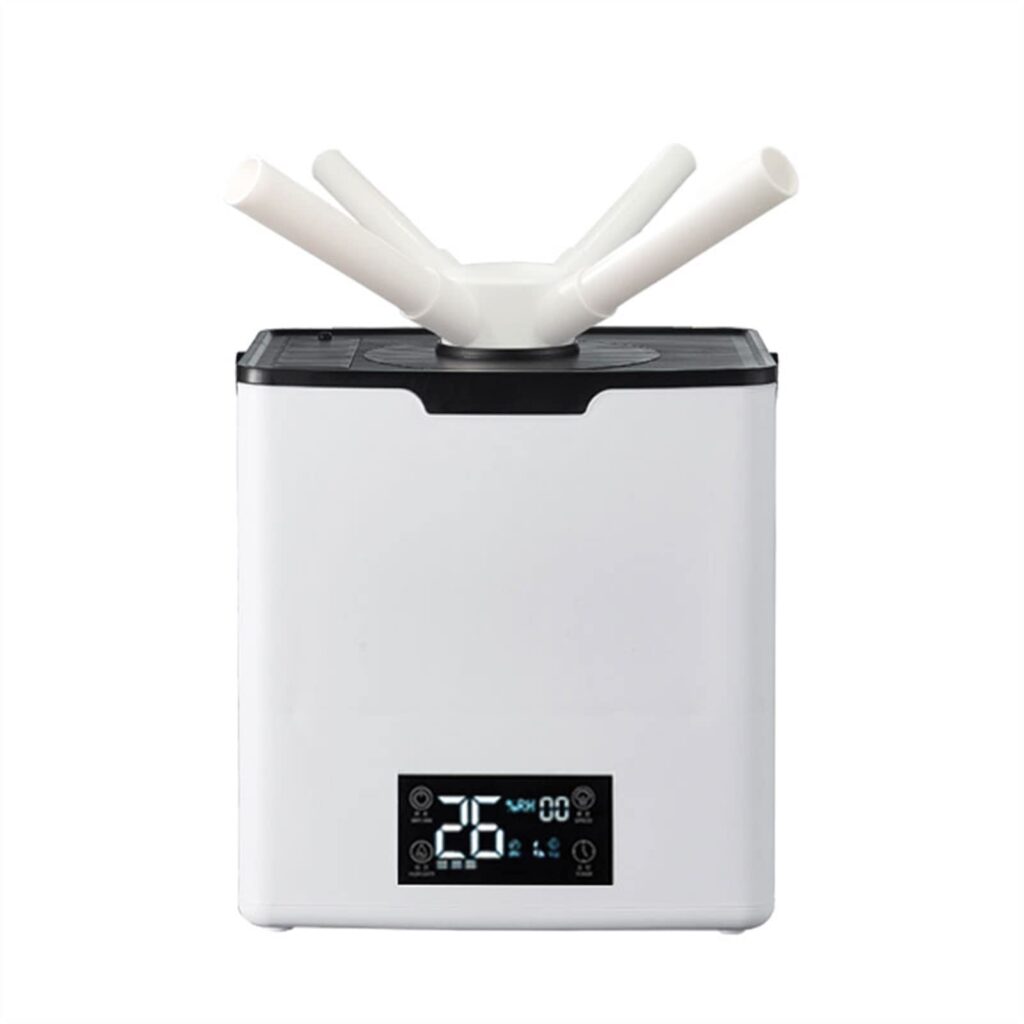
Maintaining optimal humidity levels in your commercial space is crucial for the comfort and well-being of your employees and customers. Introducing the Small Commercial Air Humidifier, the perfect solution to ensure a healthy and balanced atmosphere. This compact and efficient humidifier is designed to regulate humidity levels, preventing dryness and creating a pleasant environment. Say goodbye to discomfort and hello to improved productivity and customer satisfaction with the Small Commercial Air Humidifier.
Benefits of a Small Commercial Air Humidifier
Improved Air Quality
A small commercial air humidifier is the perfect solution for improving the air quality in your space. By adding moisture to the air, it helps to reduce the presence of airborne allergens and irritants, such as dust mites, pollen, and pet dander. This can be especially beneficial for individuals with respiratory conditions like asthma or allergies, as it helps to create a healthier breathing environment.
Reduced Risk of Health Issues
Maintaining the proper humidity levels in your space with a small commercial air humidifier can help reduce the risk of various health issues. Dry air can cause a range of health problems, including dry throat, irritated sinuses, coughing, and dry skin. By adding moisture to the air, a humidifier helps to alleviate these symptoms and creates a more comfortable and healthy environment for you and your employees or customers.
Prevents Dry Skin and Allergies
Dry air is a common culprit for dry and itchy skin. By using a small commercial air humidifier, you can help combat the effects of dry air and keep your skin moisturized. Additionally, a humidifier can also help alleviate common allergy symptoms, such as sneezing and itchy eyes, by reducing the presence of allergens in the air.
Preserves Furniture and Wooden Floors
Dry air can be damaging to furniture and wooden floors, causing them to crack or warp over time. By maintaining the proper humidity levels with a small commercial air humidifier, you can help preserve the integrity of your furniture and flooring. This is particularly important in commercial settings where there may be a higher amount of foot traffic and wear and tear.
Choosing the Right Small Commercial Air Humidifier
Consider the Room Size
When choosing a small commercial air humidifier, it’s important to consider the size of the room or area you will be using it in. The capacity of the humidifier should be suitable for the square footage of the space in order to ensure effective and efficient humidification. It’s recommended to check the manufacturer’s recommendations for room size before making a purchase.
Evaluate the Water Tank Capacity
The water tank capacity of a small commercial air humidifier determines how long it can run before needing to be refilled. For commercial spaces, it’s important to have a humidifier with a larger water tank capacity to ensure continuous operation without frequent interruptions to refill the tank. This is especially important in high-traffic areas where the humidifier may need to run for extended periods of time.
Check the Humidification Output
The humidification output of a small commercial air humidifier refers to the amount of moisture it can add to the air in a given time frame. It’s important to choose a humidifier with a sufficient output to effectively raise and maintain the humidity levels in your space. This can vary depending on the size and requirements of the area, so be sure to check the specifications of the humidifier to ensure it meets your needs.
Look for Adjustable Settings
Having adjustable settings on a small commercial air humidifier can provide you with more control over the humidity levels in your space. Look for a humidifier that allows you to adjust the output or humidity settings to fit your preferences and specific requirements. This flexibility can be particularly useful in commercial settings where the humidity needs may vary depending on factors such as occupancy or season.
Installation and Maintenance
Placement of the Humidifier
Proper placement of a small commercial air humidifier can greatly impact its effectiveness. It’s important to place the humidifier in a central location within the room for even distribution of moisture. Avoid placing it near electrical appliances or sources of heat, as this can affect the unit’s performance and pose safety risks. Additionally, make sure the humidifier is placed on a stable surface to prevent any accidental tipping.
Water Filling Process
The water filling process for a small commercial air humidifier should be easy and convenient. Look for a unit that has a wide opening or an easily removable water tank for hassle-free filling. Some humidifiers even have a built-in handle or pouring spout to make the process even more convenient. It’s important to follow the manufacturer’s instructions for filling the humidifier with water to ensure proper operation and prevent any potential damage.
Cleaning and Maintenance Tips
Regular cleaning and maintenance are essential to keep your small commercial air humidifier running efficiently and to prevent the growth of bacteria or mold. Follow the manufacturer’s instructions for cleaning and maintenance, which typically involve regular disinfection and filter replacement. It’s also important to monitor the humidity levels and clean the humidifier as needed to prevent any mineral buildup or clogging. By properly maintaining your humidifier, you can ensure its longevity and optimal performance.
Common Features of Small Commercial Air Humidifiers
Automatic Shut-off
Many small commercial air humidifiers are equipped with an automatic shut-off feature. This feature activates when the water tank is empty or when the desired humidity level is reached, preventing the humidifier from running unnecessarily and conserving energy. Automatic shut-off is a convenient and energy-saving feature that adds to the overall efficiency and ease of use of the humidifier.
Built-in Humidistat
A built-in humidistat is a valuable feature that allows you to monitor and control the humidity levels in your space. It measures the moisture in the air and adjusts the humidifier’s operation accordingly. With a built-in humidistat, you can set and maintain the desired humidity level, providing optimal comfort and health benefits. This feature is particularly useful in commercial settings where maintaining consistent humidity levels is important.
Timer Function
A timer function allows you to program the humidifier to operate for a specific period of time. This can be useful for controlling the humidifier’s operation during certain hours or for managing energy consumption. With a timer function, you can set the humidifier to turn on and off automatically, ensuring that the humidity levels are maintained only when needed. This feature adds convenience and flexibility to the operation of the humidifier.
Remote Control
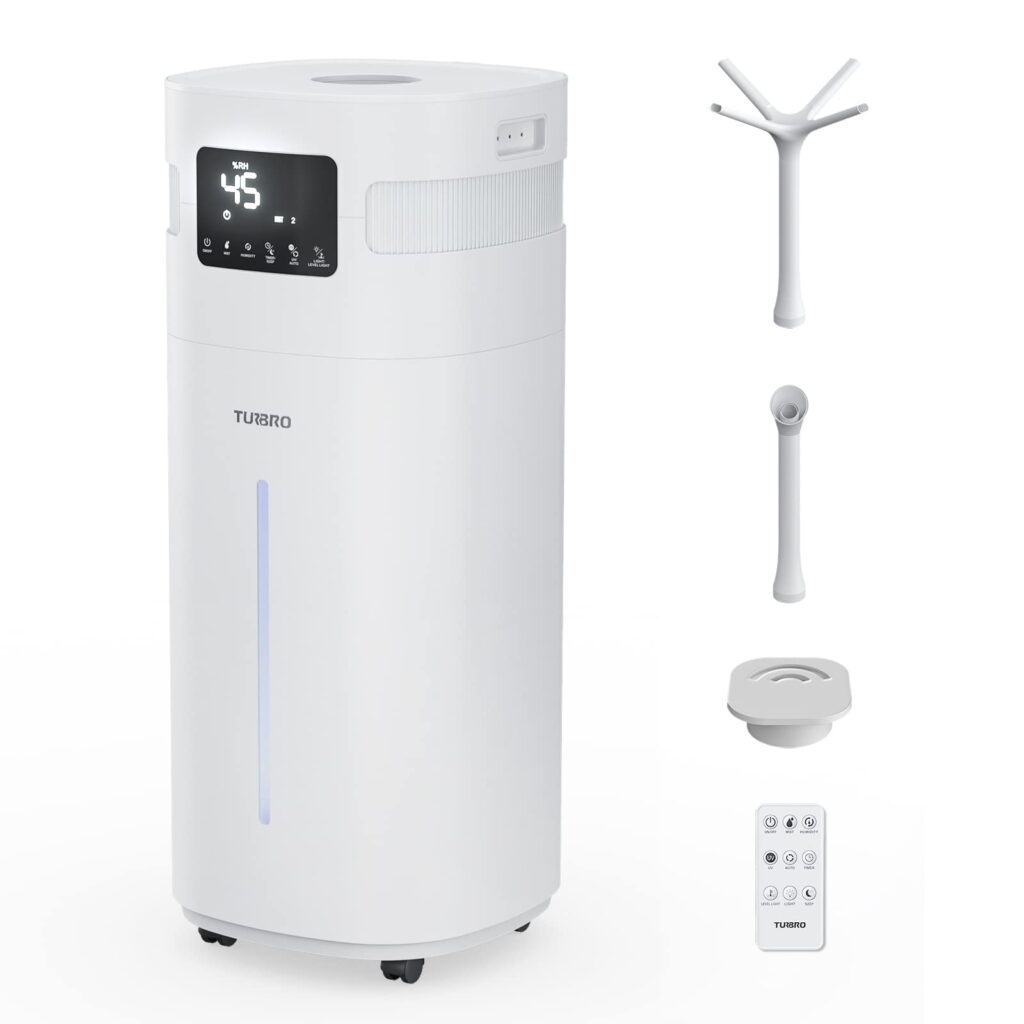
Some small commercial air humidifiers come with a remote control, allowing you to adjust settings and control the operation of the unit from a distance. This can be particularly convenient in large or busy commercial spaces where accessing the humidifier directly may not always be feasible. With a remote control, you can easily manage the humidity levels and settings without the need to physically interact with the unit.

Popular Brands of Small Commercial Air Humidifiers
Company A
Company A is known for its innovative and reliable small commercial air humidifiers. Their products are designed with advanced features and technologies to provide efficient and effective humidification. With a strong reputation for quality and durability, Company A’s humidifiers are a popular choice among businesses looking for reliable solutions to maintain optimal humidity levels.
Company B
Company B offers a range of small commercial air humidifiers that cater to different needs and requirements. Their humidifiers are known for their user-friendly design and intuitive control features, making them easy to operate and maintain. With a focus on performance and customer satisfaction, Company B’s humidifiers are trusted by businesses across various industries.
Company C
Company C specializes in small commercial air humidifiers that combine functionality with aesthetic appeal. Their products are designed to seamlessly blend into any commercial space, while still providing excellent humidification performance. With a commitment to quality and customer service, Company C’s humidifiers are a popular choice for businesses looking for both style and functionality.
Company D
Company D has a reputation for manufacturing high-quality and energy-efficient small commercial air humidifiers. Their products are designed with advanced technologies to provide effective humidification while minimizing energy consumption. With a focus on sustainability and environmental consciousness, Company D’s humidifiers are a top choice for businesses looking to reduce their carbon footprint.
Using a Small Commercial Air Humidifier in Different Settings
Offices and Workplaces
Maintaining the proper humidity levels in offices and workplaces is crucial for the comfort and well-being of employees. A small commercial air humidifier can help create a more pleasant working environment by adding moisture to the air and reducing dryness. This can help prevent dry skin, throat irritation, and other health issues caused by dry air. Additionally, it can also help reduce static electricity, which is beneficial for electronic equipment and can enhance productivity.
Hotels and Hospitality Industry
In the hospitality industry, providing a comfortable and inviting environment for guests is essential. A small commercial air humidifier can play a significant role in creating a pleasant and refreshing atmosphere in hotel rooms, lobbies, and other common areas. By maintaining optimal humidity levels, the humidifier helps guests feel more comfortable, reduces odors, and prevents dry air-related symptoms. This can greatly enhance the overall guest experience and satisfaction.
Retail Stores and Boutiques
Maintaining a comfortable shopping environment is crucial for the success of retail stores and boutiques. A small commercial air humidifier can help create an inviting atmosphere with proper humidity levels. Dry air can be uncomfortable for shoppers and can negatively affect the quality of products, such as clothes and furniture. By adding moisture to the air, the humidifier not only improves the shopping experience but also helps preserve the integrity of products, reducing the risk of damage or deterioration.
Gyms and Fitness Centers
Gyms and fitness centers often have high levels of physical activity and sweating, which can contribute to increased humidity and moisture in the air. However, in some cases, the air can still become dry due to air conditioning or ventilation systems. A small commercial air humidifier can help maintain the optimum humidity levels in these facilities, creating a more comfortable and healthy environment for users. It can also help prevent dryness and irritation to the respiratory system during intense workouts.
Maintenance Tips for Small Commercial Air Humidifiers
Regular Cleaning Schedule
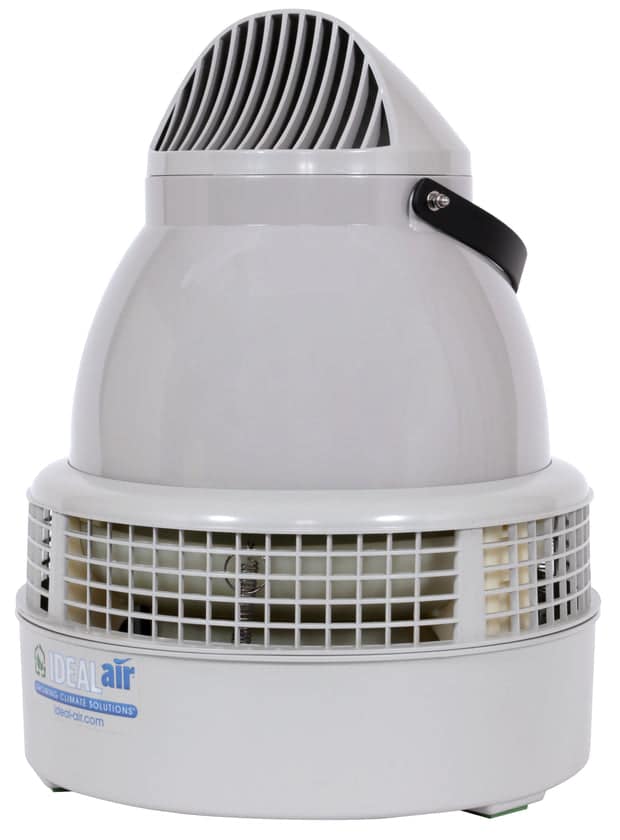
Regular cleaning is essential to keep your small commercial air humidifier running efficiently and to prevent the buildup of mold or bacteria. Follow the manufacturer’s instructions for cleaning and disinfecting the humidifier, which usually involves rinsing and disinfecting the water tank, as well as cleaning or replacing the filter. Establish a cleaning schedule and stick to it to ensure proper maintenance and prevent any potential health risks associated with poorly maintained humidifiers.
Avoid Using Tap Water
Using tap water in your small commercial air humidifier can lead to mineral deposits and limescale buildup, which can affect the unit’s performance and lifespan. It’s recommended to use distilled water or demineralized water, as they have lower mineral content and are less likely to cause buildup. Using filtered or purified water can also be a good alternative. Avoid using hard water, as it contains higher mineral levels that can quickly accumulate and clog the humidifier.
Replace Filters as Recommended
Many small commercial air humidifiers come with filters that help remove impurities from the water and air. These filters can become clogged over time and lose their effectiveness. It’s important to regularly monitor the condition of the filters and replace them as recommended by the manufacturer. This will ensure that the humidifier continues to provide clean and pure moisture to the air while preventing any potential issues caused by a dirty or clogged filter.
Monitor and Regulate Humidity Levels
Regularly monitor the humidity levels in your space and adjust the humidifier’s settings accordingly. Using a hygrometer or built-in humidistat can help you accurately measure the humidity levels. It’s important to maintain the humidity within the recommended range, usually between 40% and 60%, to avoid over-humidification or excessive dryness. By monitoring and regulating the humidity levels, you can ensure a comfortable and healthy environment for both employees and customers.
Safety Considerations
Keep the Humidifier Away from Electrical Appliances
To prevent any potential accidents or damage, it’s important to keep your small commercial air humidifier away from electrical appliances or sources of heat. This includes TVs, computers, heaters, and any other devices that generate heat. Placing the humidifier too close to these appliances can pose safety risks and affect the humidifier’s performance. It’s recommended to keep a safe distance between the humidifier and other electrical devices to ensure proper operation and prevent any potential hazards.
Avoid Over-Humidifying the Room
While a small commercial air humidifier is designed to add moisture to the air, it’s important to avoid over-humidifying the room. Excessive humidity levels can promote the growth of mold and bacteria, which can be harmful to your health and lead to respiratory issues. Additionally, over-humidification can cause condensation on windows or surfaces, leading to potential damage or mold growth. It’s important to monitor the humidity levels and adjust the settings of the humidifier accordingly to maintain a healthy and balanced environment.
Use Properly Grounded Outlets
When using a small commercial air humidifier, it’s important to ensure that the outlet you are using is properly grounded. This helps to prevent electrical hazards and ensures the safe operation of the humidifier. If you are unsure about the grounding of an outlet, consult a professional electrician to ensure the safety of your humidifier and your space.
Follow Manufacturer’s Instructions
Always follow the manufacturer’s instructions and guidelines when installing, operating, and maintaining your small commercial air humidifier. These instructions are designed to ensure the safe and effective use of the unit and should not be overlooked. Pay close attention to any specific safety considerations or precautions mentioned in the manual to prevent any potential accidents or damage.

Cost Analysis of Small Commercial Air Humidifiers
Initial Purchase Cost
The initial purchase cost of a small commercial air humidifier can vary depending on the brand, model, and features of the unit. Higher-end humidifiers with advanced features may come at a higher price point, while more basic models may be more affordable. It’s important to consider your budget and requirements when making a purchase decision. However, it’s worth noting that investing in a high-quality humidifier with advanced features can provide long-term benefits and cost savings.
Operational Cost
The operational cost of a small commercial air humidifier includes the cost of electricity needed to run the unit and any additional expenses such as water filters or treatments. While the operational cost can vary depending on factors such as the humidifier’s power consumption and usage patterns, the overall cost is generally low. Most modern humidifiers are designed to be energy-efficient, minimizing the amount of electricity they consume. Additionally, using distilled or demineralized water can help reduce the need for frequent filter replacements or maintenance.
Maintenance and Replacement Expenses
Regular maintenance is necessary to keep your small commercial air humidifier running efficiently and to ensure its longevity. This can include cleaning, filter replacements, and any other recommended maintenance tasks. While there may be some additional expenses associated with maintenance, they are usually minimal compared to the overall benefits provided by the humidifier. It’s important to factor in these maintenance expenses when considering the long-term cost of owning a small commercial air humidifier.
Energy Consumption
The energy consumption of a small commercial air humidifier can vary depending on factors such as the power rating of the unit and the duration of operation. However, most modern humidifiers are designed to be energy-efficient and consume minimal electricity. The energy consumption of a humidifier is typically low compared to other appliances or devices in your space. It’s recommended to choose a humidifier with an energy-efficient rating to help minimize energy consumption and reduce operational costs.
Conclusion
A small commercial air humidifier is a valuable investment for any business looking to provide a comfortable and healthy environment for employees and customers alike. The benefits of improving air quality, reducing health risks, preventing dry skin and allergies, and preserving furniture and wooden floors make it an essential addition to any commercial space. By choosing the right humidifier, following proper installation and maintenance practices, and considering the specific needs of your space, you can enjoy the numerous advantages that a small commercial air humidifier provides.


