
If you’ve ever experienced a power outage, you understand the importance of being prepared. Whether it’s a storm, an electrical fault, or any other unforeseen circumstance, losing electricity can quickly become inconvenient and even dangerous. That’s why it’s crucial to have a high-quality back-up generator on hand. With a reliable source of power, you can keep essential appliances running, ensure the safety of your home, and maintain a sense of comfort and normalcy during unexpected outages. In this article, we’ll explore why investing in a top-notch back-up generator is a smart decision for any homeowner.
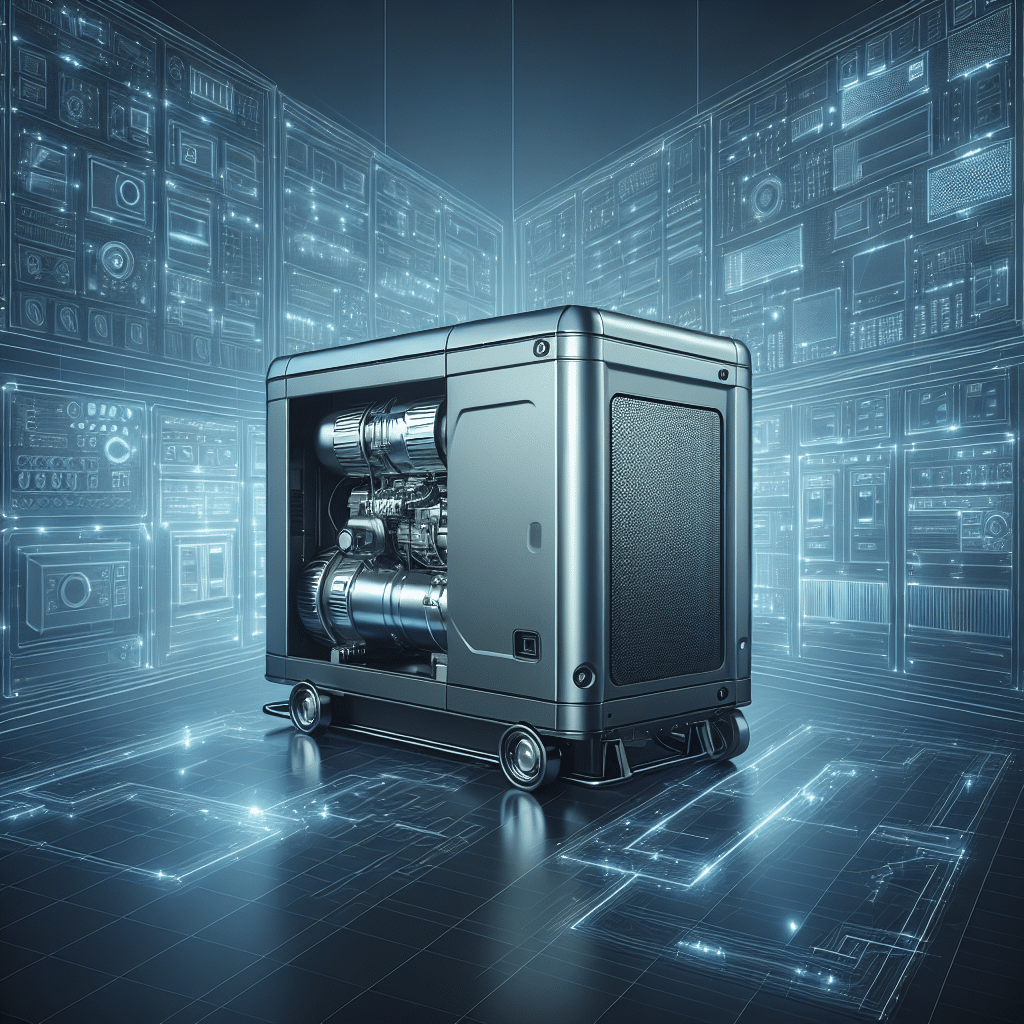
The Importance of a Back-Up Generator
Ensuring Power Supply during Outages
Having a back-up generator is crucial for ensuring a continuous power supply during outages. Whether it’s due to severe weather conditions, equipment malfunctions, or other unforeseen circumstances, power outages can leave you without electricity for hours or even days. During these times, a back-up generator can be a lifesaver, providing you with the power needed to keep essential appliances running, stay connected, and maintain a sense of normalcy.
Protecting Essential Appliances
During a power outage, certain appliances become even more critical for your comfort, safety, and wellbeing. A back-up generator can protect these essential appliances from damage or malfunction. Items like refrigerators, freezers, and medical equipment rely on a constant and uninterrupted power supply to function properly. By using a back-up generator, you can ensure that these appliances continue to work, preventing food spoilage and potentially life-threatening situations.
Keeping Communication and Security Systems Running
In today’s interconnected world, staying connected is more important than ever. A back-up generator can help keep your communication systems running, allowing you to stay in touch with friends, family, and emergency services during power outages. Additionally, security systems, such as alarm systems and surveillance cameras, depend on a steady power supply to keep your home or business safe. With a back-up generator in place, you can have peace of mind knowing that these systems will continue to operate even during a power outage.
Factors to Consider before Purchasing a Back-Up Generator
Power Requirements
Before purchasing a back-up generator, it is crucial to calculate your power requirements accurately. Consider the appliances and devices you would like to power during an outage and determine their electricity consumption. This will help you choose a generator with the appropriate power output to meet your needs without overloading the system.
Type of Fuel
Back-up generators typically run on various fuels, such as gasoline, propane, or diesel. The type of fuel you choose will impact the generator’s performance, efficiency, and cost. Gasoline is widely available, but it has a limited shelf life and may be challenging to obtain during emergencies. Propane offers longer shelf life and cleaner operation but may require additional equipment. Diesel is efficient and readily accessible, making it an excellent choice for large generators. Consider your fuel availability and preferences when selecting a generator.
Noise Level
Noise level is another crucial factor to consider, especially if you plan to use the back-up generator in residential areas or during outdoor activities. Some generators produce loud noise, which can be disruptive and annoying. Look for generators specifically designed to operate quietly, reducing noise pollution and ensuring a more pleasant experience for you and your neighbors.
Portability
The portability of a back-up generator is vital, as it determines its versatility and convenience. If you intend to use the generator in different locations or during outdoor activities like camping or tailgating, consider a portable generator that is lightweight and easy to transport. On the other hand, if you primarily need the generator for your home, a stationary or standby generator may be more suitable.
Ease of Use
A back-up generator should be simple to operate, especially during stressful situations like power outages. Look for generators with user-friendly features, such as easy starting mechanisms and intuitive controls. Some generators even offer remote monitoring and control capabilities, allowing you to manage the power supply from the comfort of your home or using a mobile device.
Cost
Cost is an essential consideration when purchasing a back-up generator. While it may be tempting to opt for the cheapest option available, it’s essential to balance cost with quality and reliability. Generators with higher power output, additional features, and better build quality may come with a higher price tag, but they can provide better performance and durability in the long run. Consider your budget and prioritize your needs when making a purchasing decision.
Choosing the Right Size of Generator
Calculating Power Needs
To choose the right size of generator, you need to accurately calculate your power needs. Make a list of the appliances and devices you want to power during an outage and their respective wattage or current draw. Add up the wattage of all these items to determine the total power requirements. Keep in mind that some appliances require additional power during start-up, known as start-up power or surge power. Taking into account both the regular power consumption and the surge power will help ensure you select a generator that can handle your needs.
Determining Start-Up Power
Determining the start-up power of your appliances is crucial to prevent overloading the generator. Some appliances, such as refrigerators and air conditioners, require a higher amount of power during start-up due to the initial surge needed to get them running. Check the documentation or labels on your appliances to find the start-up power requirement. Once you have this information, add it to the regular power consumption to determine the total power needed when selecting a generator.
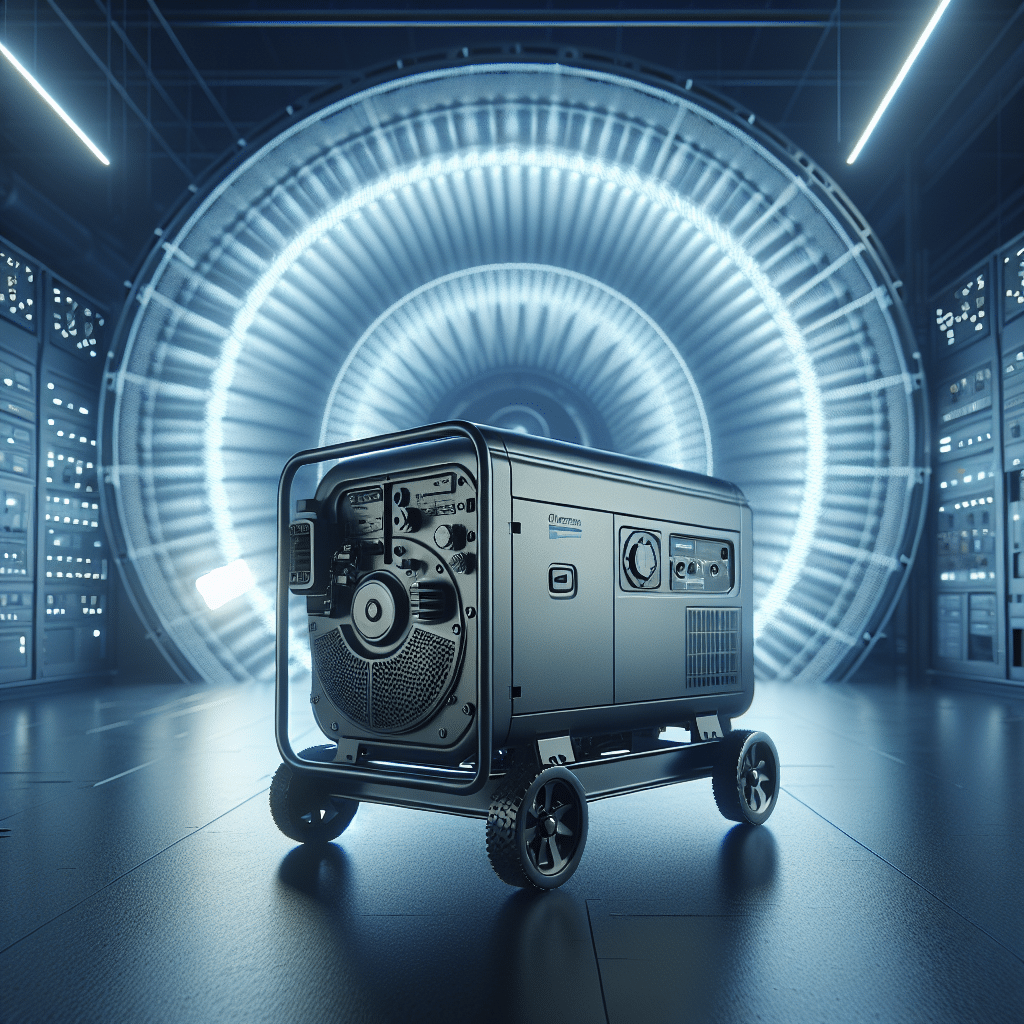
Types of Back-Up Generators
Portable Generators
Portable generators are versatile and easy to transport, making them ideal for both indoor and outdoor use. They are typically fueled by gasoline or propane and come in various sizes to accommodate different power needs. Portable generators are popular among homeowners, campers, and outdoor enthusiasts due to their convenience and portability.
Standby Generators
Standby generators, also known as whole-house generators, are permanently installed outside your home or business. They are connected to your electrical system and automatically turn on during a power outage, providing seamless power to your entire property. Standby generators typically run on natural gas or propane and are designed to deliver high power outputs for an extended period, making them suitable for larger properties or businesses.
Inverter Generators
Inverter generators are known for their quiet operation, fuel efficiency, and clean power output. They utilize advanced technology to adjust engine speed based on the electrical load, resulting in reduced noise levels and improved fuel economy. Inverter generators are often lightweight and compact, making them popular choices for camping, RVing, and other outdoor activities.
Portable Generators
Advantages
Portable generators offer several advantages for both residential and outdoor use. They are usually more affordable compared to standby generators and provide the flexibility to power specific appliances or devices during outages. Their portability allows you to move them wherever you need emergency power, whether it’s inside your home during an outage or outside for outdoor activities. Portable generators also come in various sizes, so you can choose one that suits your power needs.
Disadvantages
One of the main disadvantages of portable generators is their limited power output compared to standby generators. While they can provide enough power to run essential appliances, they may struggle to handle high-power devices like central air conditioning units or well pumps. Portable generators also require manual operation, including refueling, which can be inconvenient during longer power outages. Additionally, the noise level of some portable generators can be intrusive, especially in residential areas.
Standby Generators
Advantages
Standby generators offer the advantage of providing seamless and automatic power during outages. Once installed, they detect a power loss and automatically start up to supply electricity to your entire property. This eliminates the need for manual operation, allowing you to focus on more important matters during an emergency. Standby generators typically have higher power outputs, capable of running multiple high-power appliances simultaneously. They also provide long-term peace of mind, as they are designed to run for extended periods, making them ideal for homes or businesses that cannot afford any disruptions in power supply.
Disadvantages
One of the main disadvantages of standby generators is their higher cost, both in terms of the generator itself and the installation. Standby generators require professional installation and may need additional equipment, such as an automatic transfer switch, for seamless operation. This adds to the overall cost. Standby generators also require regular maintenance to ensure their reliability and performance. Additionally, their fixed installation means they cannot be easily moved, limiting their use to a specific location.
Inverter Generators
Advantages
Inverter generators offer several advantages, particularly for outdoor enthusiasts and those who value quiet operation. Their advanced technology allows them to produce clean and stable power, suitable for sensitive electronics like laptops, smartphones, and televisions. Inverter generators are also fuel-efficient, running at variable speeds depending on the required electrical load. This helps reduce fuel consumption and noise levels. Their compact and lightweight design makes them highly portable, allowing you to power your devices during camping trips, tailgating, or other outdoor activities.
Disadvantages
Despite their advantages, inverter generators may not provide enough power for large appliances or entire households during outages. They are generally designed for smaller power needs, making them less suitable for long-term backup power. Inverter generators also tend to be more expensive than traditional portable generators, mainly due to their advanced technology and features. While their fuel efficiency is excellent, it may come at a higher upfront cost.
Ensuring Safe Operation and Maintenance
Choosing a Proper Location
When setting up a back-up generator, it is essential to choose a proper location to ensure safe operation. Generators should be placed outdoors in a well-ventilated area, away from doors, windows, and any vents that could allow exhaust gases to enter enclosed spaces. Avoid placing generators near combustible materials or in areas prone to flooding. Follow the manufacturer’s guidelines regarding placement to minimize the risk of carbon monoxide poisoning and other hazards.
Proper Ventilation
Proper ventilation is crucial to prevent the buildup of toxic exhaust gases emitted by the generator. Ensure that the area surrounding the generator has adequate airflow, both to dissipate heat and disperse any potentially harmful fumes. Never operate a generator indoors or in an enclosed space, as this can lead to carbon monoxide poisoning, which is a silent but deadly threat.
Regular Maintenance and Inspections
Regular maintenance and inspections are vital to ensure the continued performance and reliability of your back-up generator. Follow the manufacturer’s recommended maintenance schedule, which may include tasks like changing the oil, replacing filters, and checking spark plugs. Regular inspections will help identify any potential issues or wear and tear, allowing you to address them promptly before they cause a failure or compromise safety.
Understanding Safety Features
Familiarize yourself with the safety features of your back-up generator and understand how they work. Many generators have built-in features like low-oil shutoff, overload protection, and automatic voltage regulation to prevent damage and enhance safety. Make sure you know how to reset or activate these features if necessary. Additionally, always read and follow the user manual for your specific generator model to ensure safe operation.
Tips for Using a Back-Up Generator
Carefully Read the User Manual
The user manual is your go-to resource for understanding your back-up generator’s operation and maintenance requirements. Take the time to read the manual thoroughly and familiarize yourself with the specific instructions and guidelines provided by the manufacturer. This will help you operate the generator safely and efficiently, as well as maximize its lifespan and performance.
Store Sufficient Fuel Supplies
Having a sufficient supply of fuel is essential for a back-up generator to function reliably during an outage. Depending on the generator’s fuel consumption, determine the amount of fuel you need to have in reserve. Regularly check and rotate your fuel supply to ensure freshness and reliability. Additionally, consider adding a fuel stabilizer to prevent fuel degradation and extend its shelf life.
Regularly Test the Generator
Periodically testing your back-up generator is crucial to ensure its readiness for emergencies. Follow the manufacturer’s recommendations on how frequently to run the generator. Testing allows you to identify any operational issues, such as starting problems or abnormal noises, and address them before they become more significant problems. It also helps ensure that the generator’s battery stays charged and ready for use.
Protect from Extreme Weather Conditions
While back-up generators are designed to withstand various weather conditions, it is still important to protect them from extreme elements. If possible, install a generator cover or shelter to shield it from rain, snow, and high winds. Extreme cold can also affect the performance of some generators, so consider using a cold weather kit or a block heater if you live in regions with sub-zero temperatures.
Avoid Overloading the Generator
It is crucial to prevent overloading your back-up generator, as it can lead to equipment damage or failure. Make sure you know the generator’s power output and the power requirements of the appliances or devices you plan to connect. Distribute the load evenly across multiple circuits if possible, and avoid exceeding the generator’s capacity. If in doubt, consult with a professional electrician to ensure safe and proper usage.
Conclusion
Investing in a high-quality back-up generator provides peace of mind in emergency situations and offers convenience for outdoor activities. By ensuring a continuous power supply during outages, protecting essential appliances, and keeping communication and security systems running, a back-up generator becomes an invaluable asset for any home or business. Before making a purchase, consider important factors such as power requirements, fuel type, noise level, portability, ease of use, and cost. By accurately calculating your power needs and understanding the different types of generators available, you can choose the right size and type of generator to fit your specific requirements. Finally, by following safety guidelines, conducting regular maintenance, and implementing proper usage practices, you can enjoy the benefits of a back-up generator while ensuring the safety of yourself and others. Stay prepared and invest in a back-up generator today to be ready for any power outage or emergency situation that may arise.


