
Imagine a world where the air you breathe is always clean, refreshing, and free from dryness and dust. Well, with the help of a portable commercial humidifier, you can transform this vision into a reality. Whether you’re at home or in the office, this handy device is designed to enhance the quality of indoor air, ensuring a healthier and more comfortable environment for you and those around you. Say goodbye to dry skin, irritated eyes, and stuffy noses, and say hello to a breath of fresh air with the help of a portable commercial humidifier.

What is a Commercial Humidifier?
Definition
A commercial humidifier is a device designed to add moisture to the air in commercial spaces, such as offices, hospitals, hotels, and retail stores. It helps maintain optimal humidity levels and enhances indoor air quality for a healthier and more comfortable environment.
How it Works
Commercial humidifiers work by using various methods to introduce moisture into the air. They typically consist of a water reservoir, a fan or blower, and a system that disperses the water vapor into the surrounding air. The humidifier draws in air from the room, passes it over the water reservoir, and releases the moisture-laden air back into the environment. This process increases the humidity level, making the air more comfortable to breathe.
Different Types of Commercial Humidifiers
There are several types of commercial humidifiers available to suit different needs and space requirements:
- Steam Humidifiers: These humidifiers use electric heating elements to boil water, producing steam that is released into the air.
- Ultrasonic Humidifiers: Ultrasonic humidifiers utilize high-frequency sound waves to create a fine mist of water vapor.
- Evaporative Humidifiers: Evaporative humidifiers use a fan to blow air over a moistened wick or filter, causing the water to evaporate and increase humidity.
- Mist Humidifiers: Mist humidifiers generate a fine mist of water droplets using a high-pressure pump or vibrating membranes.
- Central Humidifiers: Central humidifiers are integrated into HVAC systems and distribute moist air throughout the entire building via air ducts.
Each type of commercial humidifier offers unique benefits and considerations, so it’s important to choose the right one based on the specific needs of the commercial space.
Importance of Indoor Air Quality
Effects of Poor Indoor Air Quality
Poor indoor air quality can have a detrimental impact on the health and well-being of individuals spending time in commercial spaces. Common effects of poor indoor air quality include:
- Respiratory issues: Dust, allergens, and pollutants in the air can trigger or worsen respiratory conditions such as asthma and allergies.
- Fatigue and discomfort: Breathing contaminated air can result in fatigue, headaches, and general discomfort for occupants.
- Reduced productivity: Unhealthy indoor air can lead to decreased focus, concentration, and overall productivity among employees.
- Sick building syndrome: Poor air quality can contribute to a phenomenon called sick building syndrome, where occupants experience a range of symptoms such as headaches, dizziness, and nausea.
Benefits of Good Indoor Air Quality
Maintaining good indoor air quality offers numerous advantages for both occupants and the overall commercial environment:
- Enhanced health and well-being: Clean and healthy air promotes better respiratory health and minimizes the risk of respiratory illnesses.
- Increased productivity: Improved air quality can enhance cognitive function, attention span, and overall productivity in the workplace.
- Comfortable environment: Good indoor air quality contributes to a comfortable and pleasant environment, ensuring the well-being and satisfaction of occupants.
- Reduced absenteeism: By reducing the presence of airborne contaminants, good air quality can minimize the number of sick days taken by employees.
- Positive reputation: Providing a healthy indoor environment reflects positively on the business, attracting customers and potential clients.
Health Implications
Exposure to poor indoor air quality can lead to various health issues, including:
- Allergic reactions: Dust mites, pet dander, and other allergens present in the air can trigger allergic reactions in susceptible individuals.
- Asthma exacerbation: Indoor air pollutants like pet hair, mold spores, and volatile organic compounds can worsen asthma symptoms.
- Respiratory infections: Viruses and bacteria can circulate more easily in dry, stagnant air, increasing the risk of respiratory infections.
- Eye and skin irritation: Dry air can cause itching, dryness, and irritation in the eyes and skin.
- Headaches and fatigue: Breathing in polluted air can lead to headaches, fatigue, and reduced energy levels.
Maintaining optimal indoor air quality is crucial for the health and well-being of everyone in a commercial space.
Understanding Humidity Levels
Optimal Humidity Range
The optimal humidity range for most commercial spaces is between 30% and 50%. This range ensures a comfortable and healthy environment while preventing issues associated with both low and high humidity.
Effects of Low Humidity
Low humidity levels can have various negative effects on both occupants and the commercial space itself:
- Dry skin and respiratory discomfort: In dry environments, moisture is drawn from the skin, leading to dryness and irritation. It can also result in dry nasal passages and throat, causing discomfort and increasing the risk of respiratory infections.
- Static electricity: Low humidity can cause an increase in static electricity, resulting in unpleasant shocks and damage to electronic equipment.
- Cracked wood and furniture: Dry air can cause wood materials to shrink, leading to cracks in furniture, flooring, and other wooden fixtures.
- Damaged artwork and musical instruments: Low humidity can cause artwork and musical instruments to become brittle and damaged, requiring expensive repairs or replacements.
Effects of High Humidity
High humidity levels can also pose various challenges in commercial spaces:
- Mold and mildew growth: Excessive moisture in the air can create an ideal environment for mold and mildew to thrive, leading to unpleasant odors, health issues, and damage to buildings and contents.
- Allergen proliferation: High humidity can support the growth of dust mites, bacteria, and other allergens, triggering allergic reactions and respiratory problems.
- Condensation and water damage: Excessive moisture in the air can cause condensation on windows, walls, and other surfaces, leading to water damage and the deterioration of building materials.
Maintaining optimal humidity levels is vital to ensure a comfortable and healthy environment for occupants, as well as to prevent potential damage to the commercial space.
Advantages of Portable Commercial Humidifiers
Easy Installation and Portability
Portable commercial humidifiers are designed for easy installation and relocation. They do not require any complicated or permanent installation processes, making them convenient for various commercial settings. With their lightweight design, they can be easily moved from one area to another, allowing for flexibility in addressing different humidity needs.
Flexible Placement Options
Portable commercial humidifiers offer flexibility in terms of placement. They can be placed on a tabletop, mounted on a wall, or positioned on the floor, depending on the specific requirements of the commercial space. This versatility allows for targeted humidification in areas that need it the most.
Suitable for Various Commercial Settings
Portable commercial humidifiers are suitable for a wide range of commercial settings, including offices, hotels, healthcare facilities, and retail stores. They can accommodate different room sizes, ensuring optimal humidity levels and improved air quality in any space. Whether it’s a small office or a large retail store, a portable commercial humidifier can effectively maintain the desired humidity levels.
Factors to Consider When Choosing a Portable Commercial Humidifier
Size and Coverage Area
When selecting a portable commercial humidifier, it’s essential to consider the size of the space it will be used in and the coverage area it can effectively humidify. Choosing a humidifier that matches the square footage of the room ensures that it can adequately provide the desired humidity levels.
Water Capacity and Refill Frequency
The water capacity of a portable commercial humidifier determines how long it can operate before needing a refill. Consider the size of the water reservoir and the estimated runtime to determine how frequently it will need to be refilled. It’s important to choose a humidifier with a water capacity that can meet the demands of the commercial space without constant refilling interruptions.
Noise Level
The noise level of a portable commercial humidifier can be a crucial factor, especially in quiet commercial environments like offices or healthcare facilities. Look for humidifiers that operate quietly to minimize distractions and maintain a peaceful environment.
Energy Efficiency
Consider the energy consumption of the humidifier, especially for spaces where energy efficiency is a priority. Look for energy-efficient models that use minimal electricity while still providing effective humidity control.
Maintenance and Cleaning Requirements
Regular maintenance and cleaning are essential for optimal performance and to prevent the growth of mold or bacteria. Consider the maintenance and cleaning requirements of the humidifier, such as filter replacement and cleaning procedures. Choose a model that offers easy maintenance and has accessible replacement parts.
Installation and Setup of a Portable Commercial Humidifier
Placement Considerations
When installing and setting up a portable commercial humidifier, consider the following placement considerations:
- Place the humidifier in a central location within the room for balanced humidity distribution.
- Ensure that the humidifier is placed on a level surface to prevent tipping or water leakage.
- Consider the proximity to electrical outlets and water sources for ease of installation and connection.
Water Source and Connection
Most portable commercial humidifiers require a water source for operation. Determine the nearest water source to the humidifier’s intended location and ensure accessibility for refilling or connection to a water line if applicable. Follow the manufacturer’s instructions for proper water source connection, whether it involves filling the reservoir manually or attaching a water line.
Control Settings and Adjustments
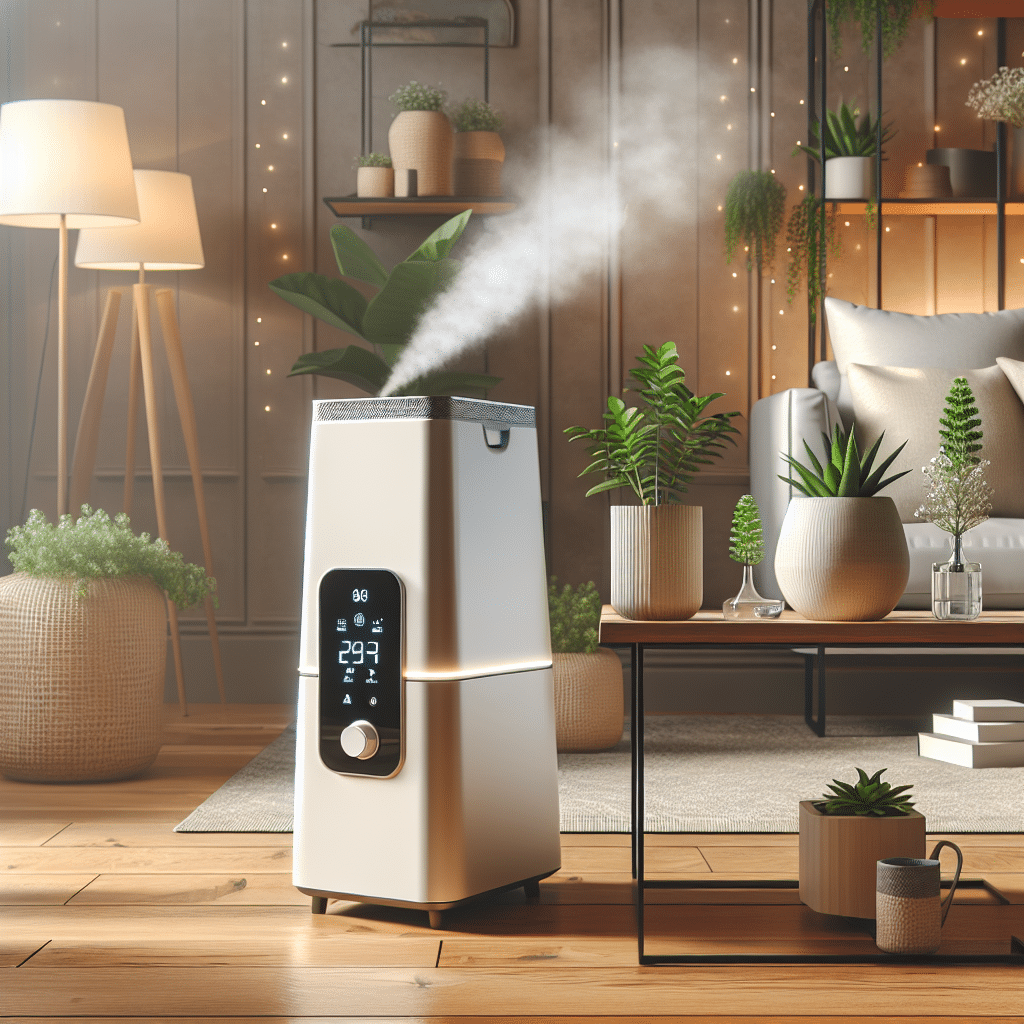
Familiarize yourself with the control settings and adjustments of the humidifier. These may include humidity level settings, fan speed control, and timer functions. Adjust the settings according to the desired humidity level and the specific requirements of the commercial space.
Safety Precautions
When installing and using a portable commercial humidifier, take the following safety precautions:
- Keep the humidifier away from flammable materials to prevent fire hazards.
- Regularly check cords, plugs, and connections for any signs of damage to minimize electrical risks.
- Follow the manufacturer’s guidelines for proper use and maintenance to ensure safe operation.
Maintenance and Care for Optimal Performance
Regular Cleaning
Regular cleaning is crucial for maintaining optimal performance and preventing mold or bacteria growth. Follow the manufacturer’s instructions for cleaning procedures, including how often to clean the humidifier, what cleaning solutions to use, and how to properly disinfect the unit. Cleaning typically involves emptying and rinsing the water reservoir, cleaning or replacing filters, and wiping down the exterior surfaces.
Filter Replacement
Many portable commercial humidifiers have filters that need regular replacement to maintain proper functioning. Determine the recommended filter replacement schedule and follow it accordingly. Clean or replace filters as instructed to ensure efficient and healthy humidity control.
Inspecting and Troubleshooting Common Issues
Regularly inspect the humidifier for any signs of wear, damage, or malfunction. Check for leaks, unusual noises, or any other issues that may affect its performance. Troubleshoot common problems by referring to the manufacturer’s instructions or contacting customer support if necessary.
Benefits of Using a Portable Commercial Humidifier
Improves Air Quality for Occupants
A portable commercial humidifier significantly improves indoor air quality by adding moisture to the air. This reduces the presence of airborne allergens, dust particles, and pollutants, making the environment healthier and more comfortable for occupants.
Reduces Airborne Allergens and Respiratory Issues
Maintaining proper humidity levels with a portable commercial humidifier helps reduce the growth of mold, dust mites, and other allergens. This can alleviate symptoms and respiratory issues for individuals with allergies or asthma.
Preserves Wood and Furniture
Adequate humidity levels prevent wood from drying out and cracking, preserving the integrity of furniture, flooring, and other wooden fixtures in commercial spaces.
Reduces Static Electricity
A portable commercial humidifier can help reduce the build-up of static electricity, which can cause unpleasant shocks and damage to electronic equipment.
Enhances Comfort and Productivity
By maintaining optimal humidity levels, a portable commercial humidifier creates a more comfortable and pleasant environment for occupants. This, in turn, enhances their well-being, focus, and productivity.
Potential Drawbacks of Portable Commercial Humidifiers
Possible Over-Humidification
Improper use or the selection of the wrong humidifier size can lead to over-humidification, which may cause excessive moisture in the air. This can result in condensation, mold growth, and increased discomfort for occupants.
Increased Maintenance and Monitoring
Portable commercial humidifiers require regular maintenance and monitoring to ensure optimal performance. This includes cleaning, refilling, and replacing filters. Failure to do so may lead to decreased efficiency and potential health risks.
Noise Interference
Some portable commercial humidifiers may produce noise during operation, particularly if they have a powerful fan or blower. Consider noise levels when selecting a humidifier for quieter commercial environments.
Initial Investment Cost
While portable commercial humidifiers offer numerous benefits, their initial cost is an investment to consider. However, the long-term advantages in terms of improved air quality, occupant comfort, and preserving the commercial space may outweigh the initial investment.
Tips for Maximizing the Effectiveness of a Portable Commercial Humidifier
Monitor and Adjust Humidity Levels
Regularly monitor humidity levels using a hygrometer and adjust the humidifier accordingly. Aim for the optimal range of 30% to 50% humidity to maintain a healthy and comfortable environment.
Proper Placement to Optimize Distribution
Place the portable commercial humidifier strategically to maximize humidity distribution throughout the room. Consider factors such as airflow, room layout, and the location of occupants to ensure even humidity levels.
Regular Maintenance and Cleaning
Adhere to a regular maintenance and cleaning schedule to keep the humidifier operating at its best. Follow the manufacturer’s instructions for cleaning procedures and filter replacements to ensure optimal performance and prevent the growth of mold or bacteria.
Ensure Appropriate Water Quality
Using distilled or filtered water in the humidifier can help prevent the accumulation of mineral deposits and bacteria. Be mindful of the water quality and maintain a clean water source for filling or connecting to the humidifier.
By following these tips, you can maximize the effectiveness and efficiency of a portable commercial humidifier, ensuring optimal humidity levels and a healthier indoor environment.
In conclusion, a portable commercial humidifier is a valuable investment for any commercial space. It plays a crucial role in enhancing indoor air quality, maintaining optimal humidity levels, and promoting the well-being of occupants. By considering various factors and implementing proper maintenance and usage practices, you can effectively improve the comfort, productivity, and overall health of your commercial environment.


